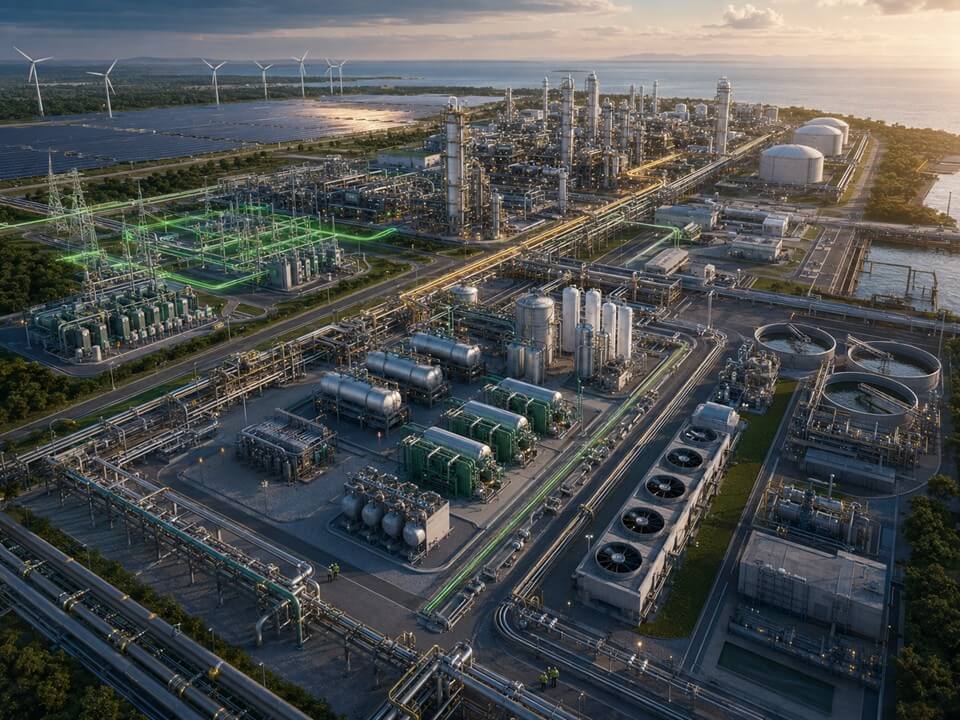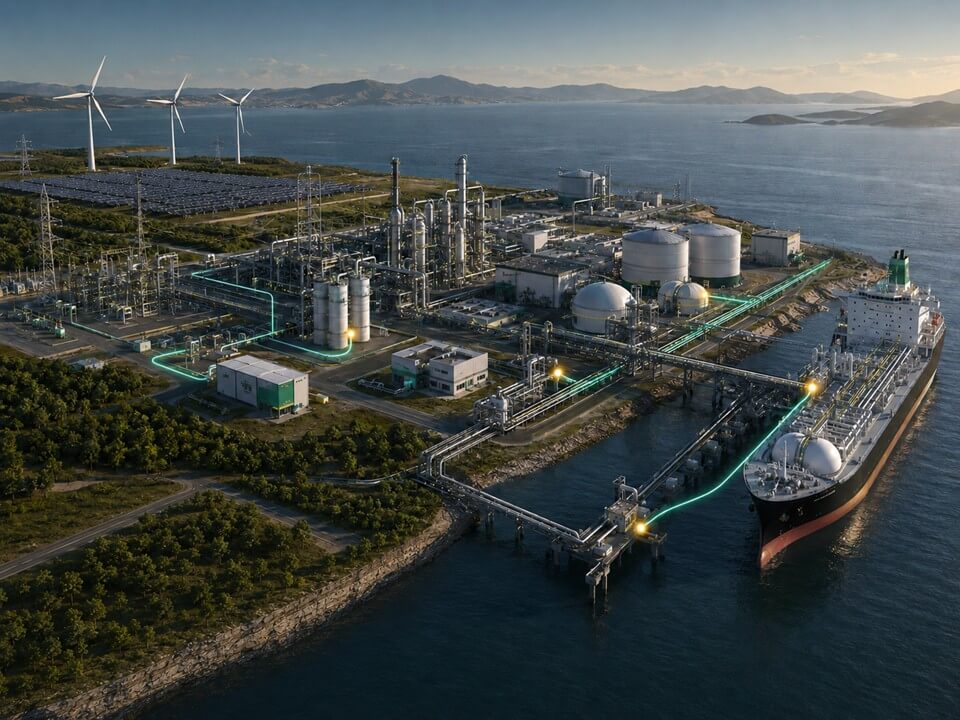
METHANOL PROJECT DEVELOPMENT From Feedstock Strategy to Bankable Methanol Production.

NEOX works alongside sponsors to define, structure, and prepare natural-gas-based, low-carbon, biomethanol, e-methanol, and integrated methanol–blue ammonia facilities for credible investment, financing, and execution.

BANKABILITY ACROSS THE VALUE CHAIN A Proven Process Is Not Yet a Financeable Project.

The Development Challenge Eyebrow

Methanol can be produced through established and emerging routes, but technology alone does not establish bankability. Feedstock, utilities, product specifications, offtake, infrastructure, carbon performance, approvals, delivery strategy, and economics must support one defensible investment case.

Feedstock & Energy Security

Feedstock, electricity, water, hydrogen, carbon dioxide, and utilities must be available at the required quality, volume, cost, reliability, and contract duration.

Technology & Plant Performance

Process technology, licensors, integration, production yield, product quality, availability, and performance guarantees must support reliable commercial operation.

Product Market & Offtake

Product specifications, contracted volumes, pricing and indexation, buyer creditworthiness, payment security, logistics, and alternative markets must support predictable cash flow.

Compliance & Execution Readiness

Carbon performance, certification, permits, process safety, contracting, cost, schedule, and delivery risks must be credible before capital is committed.

“Methanol is not inherently low-carbon. Its environmental integrity is determined by feedstock, energy source, carbon origin, process efficiency, and full lifecycle emissions.”

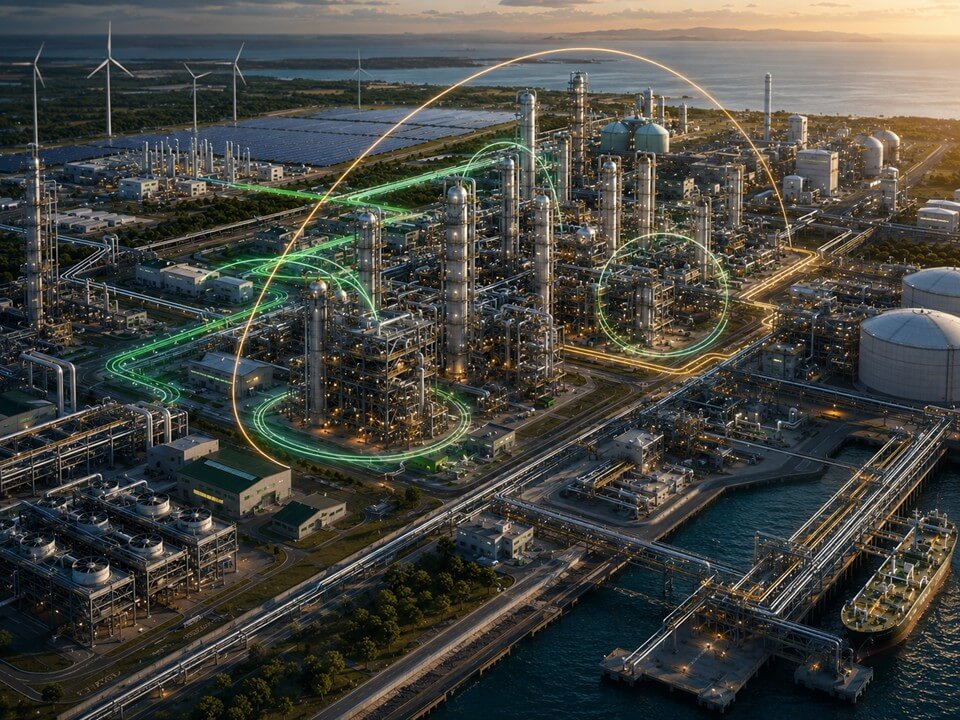
FEEDSTOCK, CARBON & PRODUCT ROUTES Designed Around Feedstock, Infrastructure, Market, and Carbon Requirements.

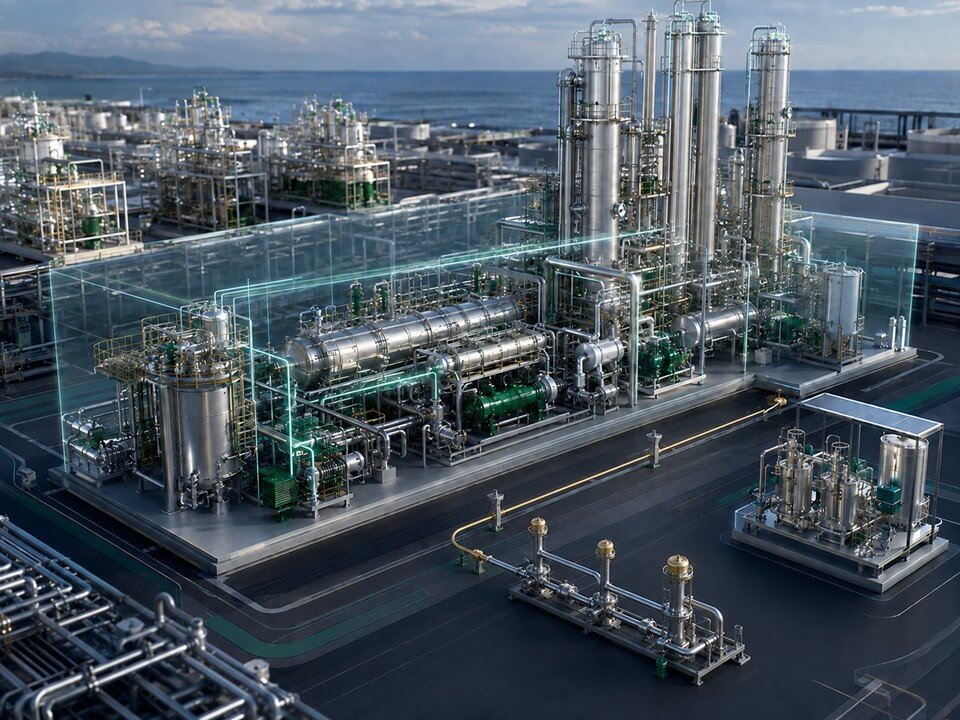
NEOX helps sponsors compare production routes based on feedstock availability, technology maturity, utility demand, product requirements, infrastructure, lifecycle emissions, certification, capital cost, operating cost, and revenue potential.

Conventional Natural-Gas Methanol

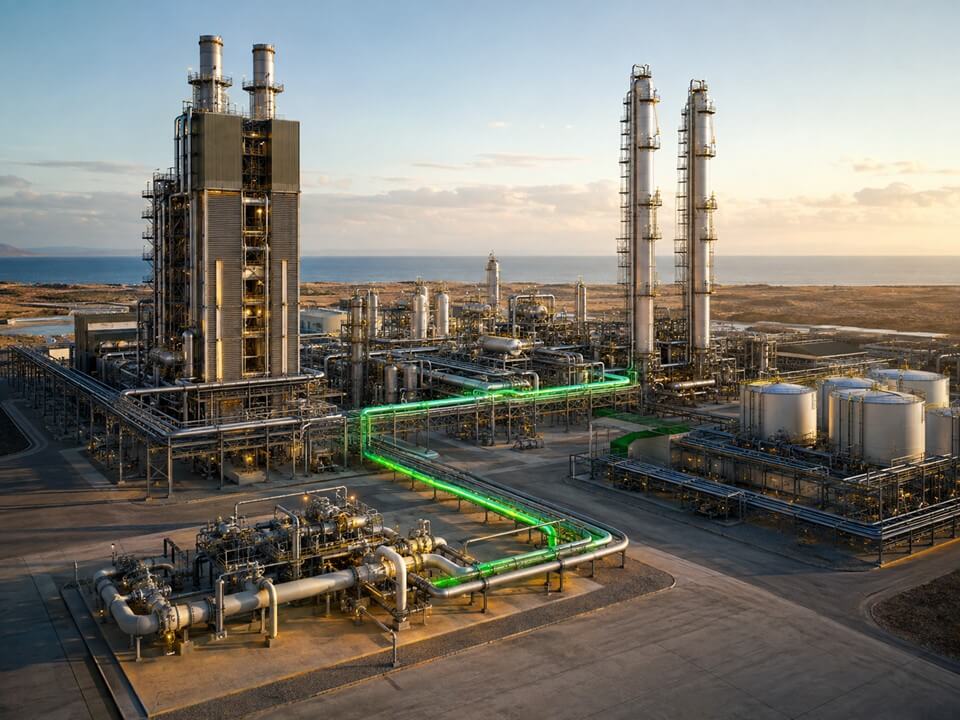
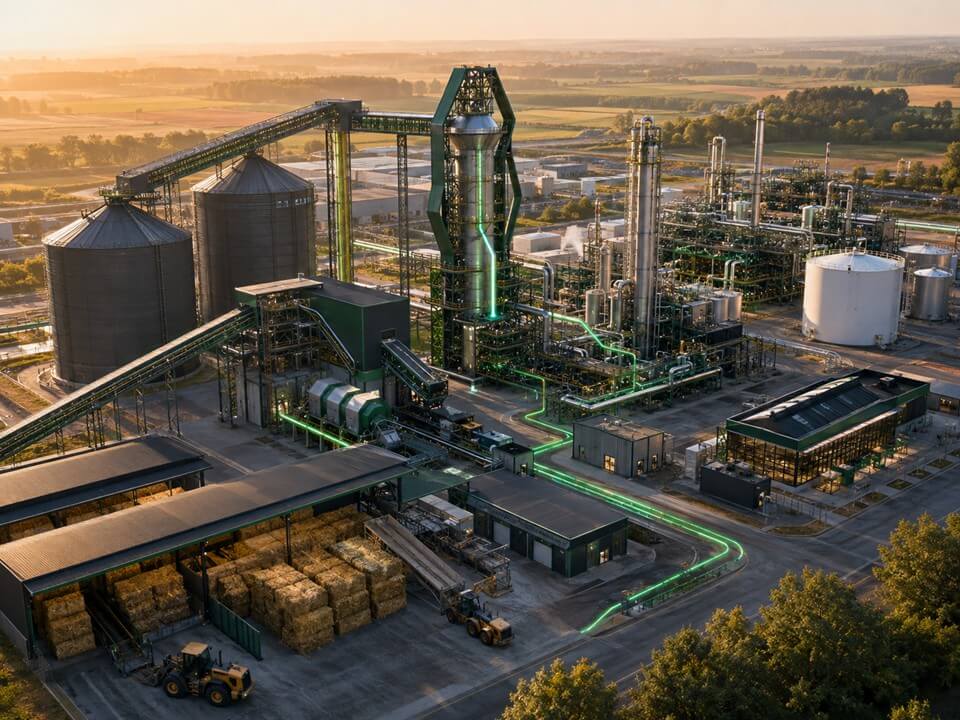
Natural gas is reformed into synthesis gas, converted to methanol via methanol synthesis, and purified into commercial-grade methanol for chemical, industrial, and fuel markets.

Low-Carbon Natural-Gas Methanol

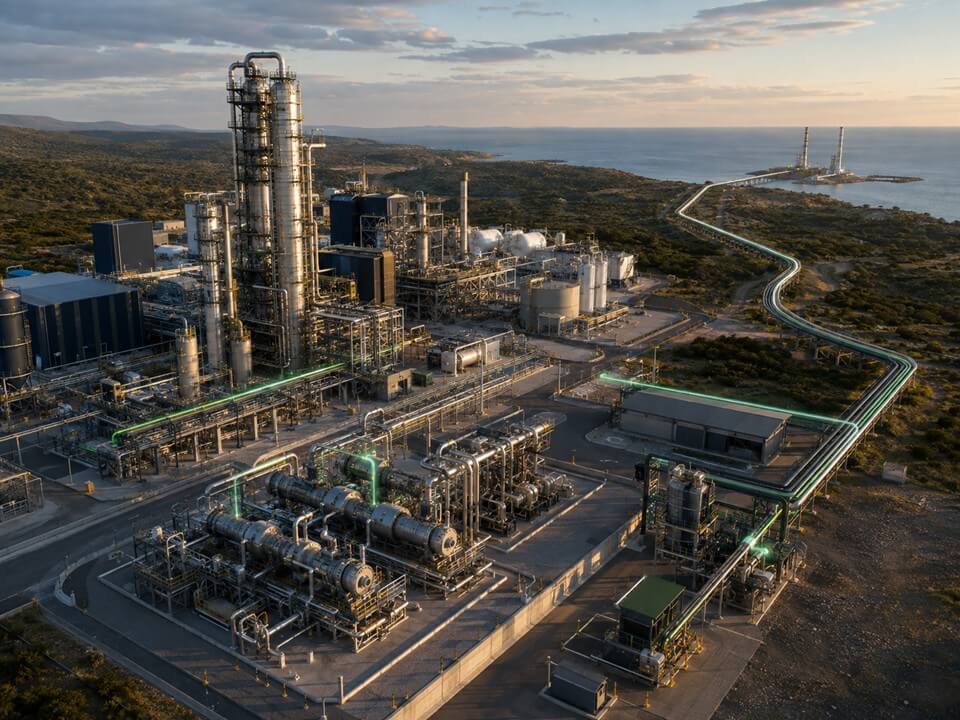
Natural-gas methanol production incorporates carbon capture, transport, and permanent storage across defined emission sources to reduce lifecycle emissions. Classification as low-carbon or “blue” depends on verified performance and applicable market rules.

Biomethanol

Eligible biomass and biogenic residues can be gasified, while biogas or biomethane can be reformed or integrated into production to produce biomethanol subject to sustainability and chain-of-custody requirements.

Renewable e-Methanol

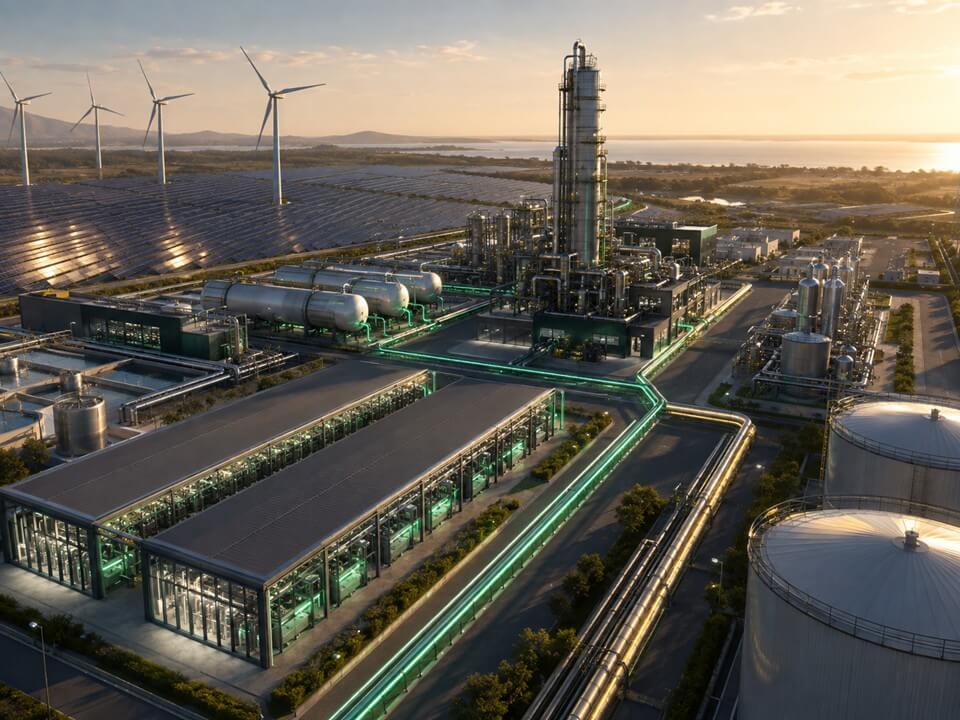
Renewable hydrogen produced through water electrolysis is combined with an eligible carbon dioxide source and synthesized into methanol. Renewable status depends on the power, hydrogen, carbon source, lifecycle performance, and applicable certification rules.

Waste- & Residue-Derived Methanol

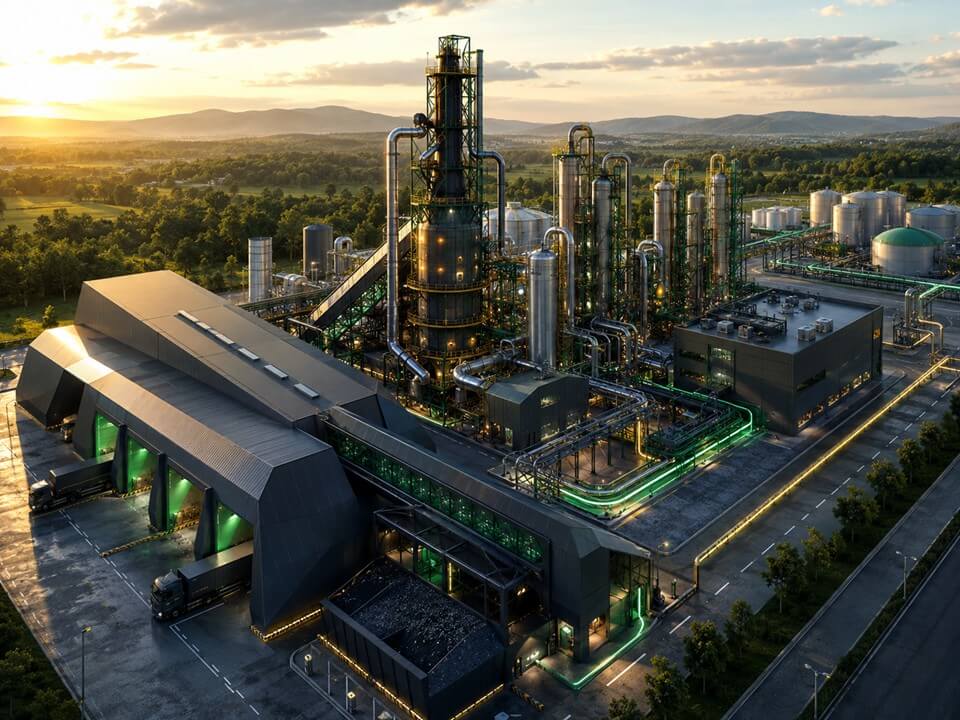
Suitable nonrecyclable wastes and residues are converted into conditioned synthesis gas and processed into methanol. Renewable or recycled-carbon status depends on feedstock composition, lifecycle emissions, and target-market requirements.

Integrated Methanol & Blue Ammonia Complex

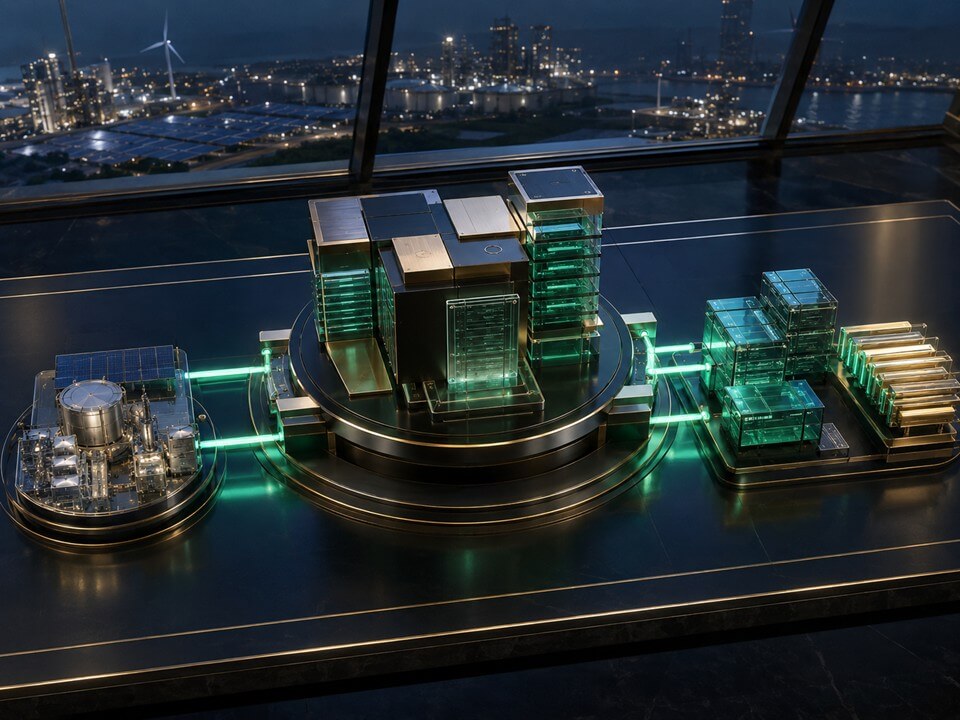
A natural-gas-based complex may share feed-gas treatment, reforming, hydrogen infrastructure, utilities, carbon capture, CO₂ transport, and export facilities while retaining separate synthesis, purification, and product-storage systems.

“A methanol pathway becomes investable when its production, emissions, certification, infrastructure, and offtake assumptions reconcile within one defensible financial model.”

PROJECT ECONOMICS & FINANCING CAPACITY Turning Production Assumptions into Cash Flow, Debt Capacity, and Returns.

Financial Modeling as the Commercial Control Center

NEOX converts feedstock, production, utility, pricing, carbon, logistics, capital cost, schedule, working capital, and financing assumptions into an integrated model that tests commercial viability, bankability, and downside resilience.

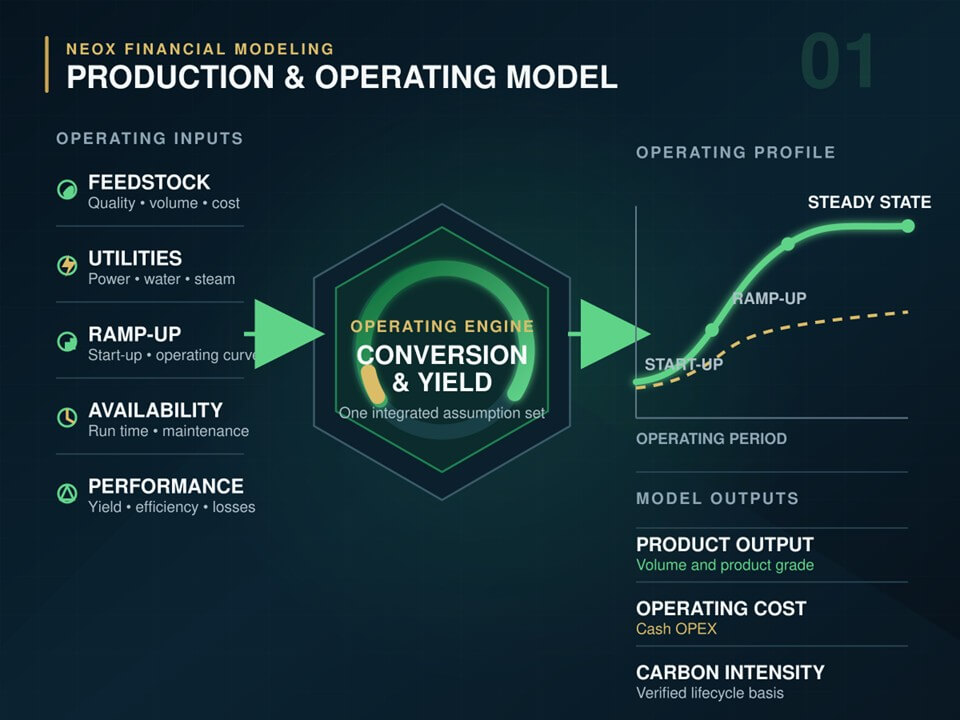
Production & Operating Model

Forecast feedstock consumption, conversion efficiency, production yield, ramp-up, availability, planned maintenance, utility demand, emissions, product output, and operating costs.

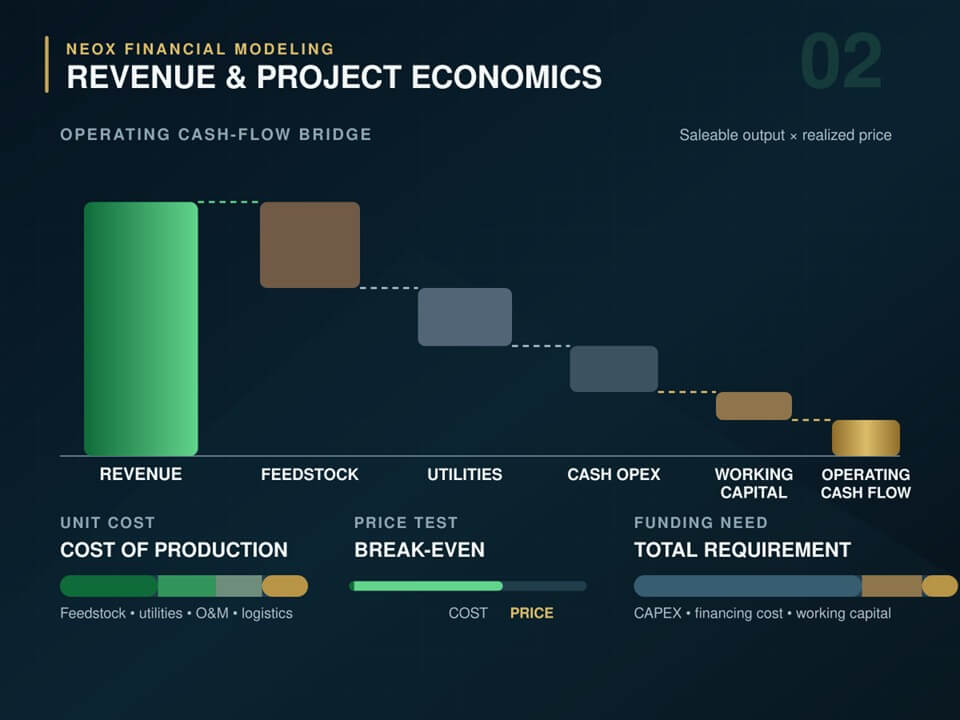
Revenue & Project Economics

Calculate sales volumes, methanol revenues, ammonia revenues where applicable, operating cash flow, production cost, break-even price, working capital, and total funding requirements.

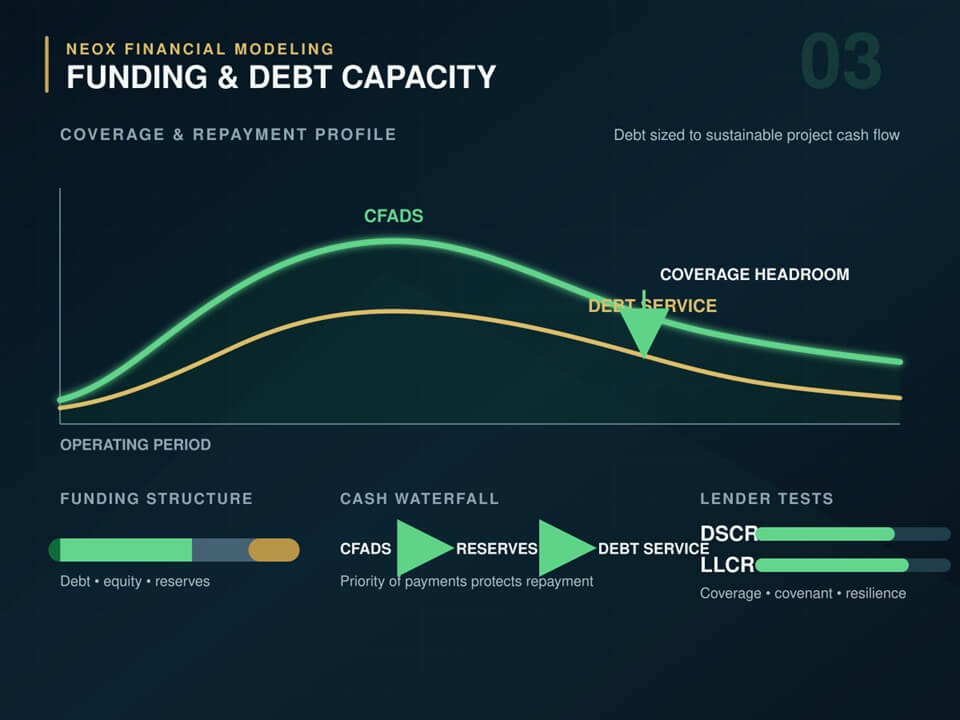
Funding & Debt Capacity

Assess sustainable borrowing, drawdown requirements, repayment profiles, debt-service and loan-life coverage, covenant headroom, and repayment resilience.

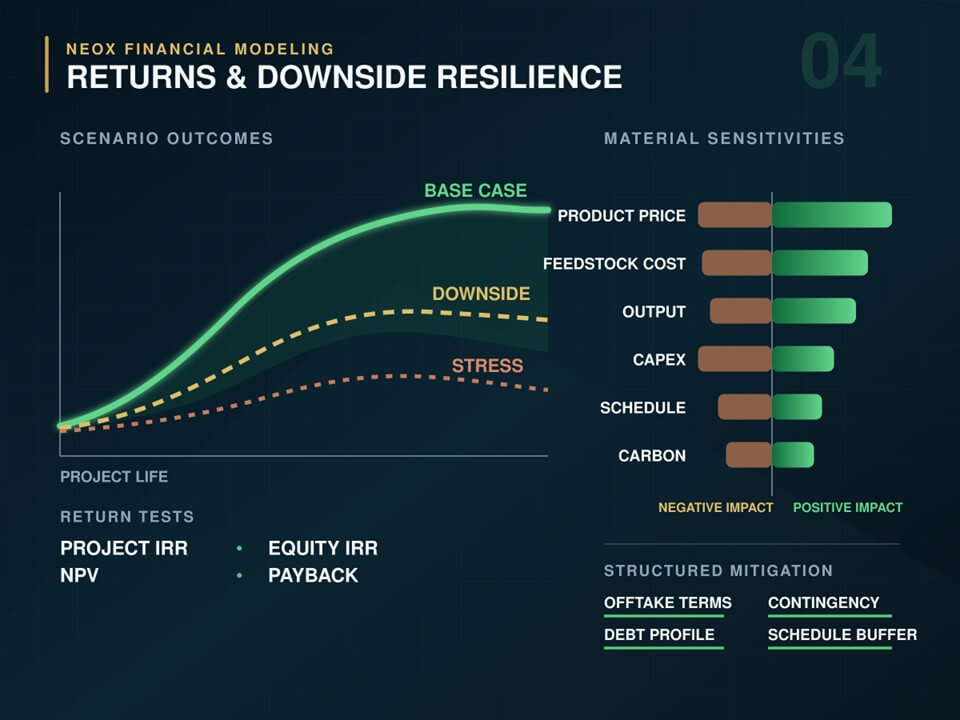
Returns & Downside Resilience

Test project and equity returns against feedstock and product prices, lower output, cost overruns, delays, carbon performance, offtake changes, and financing structures.

│ For NEOX, the financial model tests technical assumptions, commercial commitments, risk allocation, and capital expectations against one another—and where weak points must become visible before capital providers expose them.

“Financial returns are only one test; bankability also requires verified inputs, proven performance, secure revenues, controlled execution, and environmental claims that withstand due diligence.”

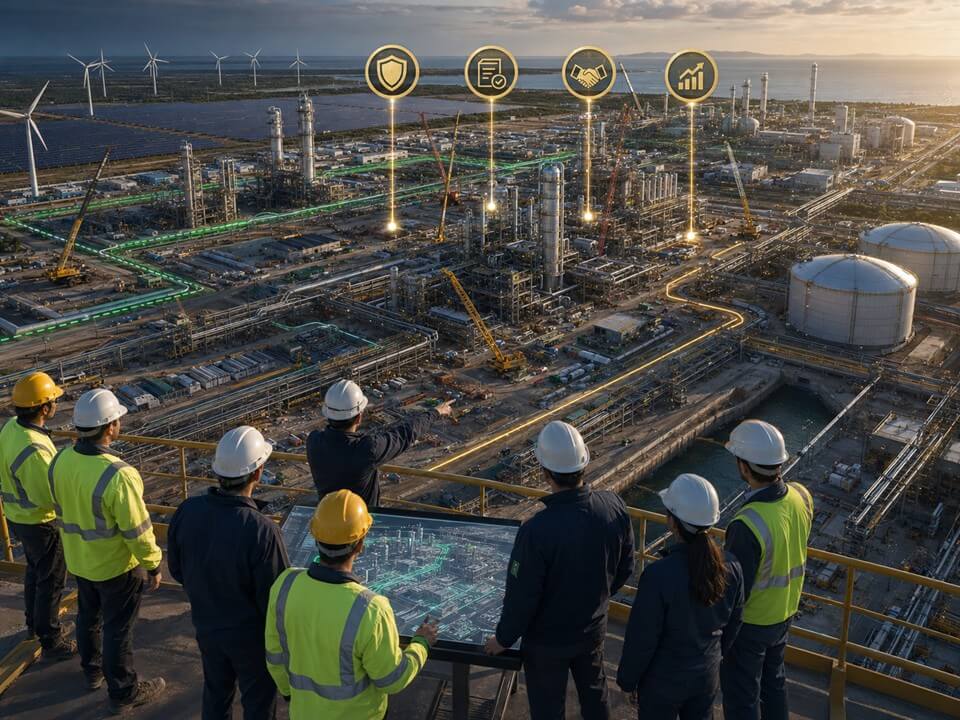
PROJECT READINESS & DUE DILIGENCE What Investors and Lenders Will Test Before Committing Capital.

Bankability Workstreams

NEOX coordinates the project evidence, specialist inputs, and commercial decisions across eight interdependent workstreams to identify material gaps, strengthen bankability, and prepare the sponsor for investor and lender due diligence.

Feedstock & Critical Inputs

Demonstrate long-term availability, specifications, volumes, delivery routes, pricing, indexation, supplier strength, and contractual coverage for each route-specific feedstock and critical input.

Technology, Licensing & Performance

Establish technology maturity, licensor rights, operating references, conversion efficiency, product yield and quality, availability, warranties, performance guarantees, and long-term technical support.

Site, Utilities & Infrastructure

Confirm land rights, site conditions, constructability, utility balances, grid and pipeline connections, shared facilities, and infrastructure capacity for the selected plant configuration.

Carbon Performance & Certification

Define lifecycle-emissions boundaries and target-market certification requirements, including renewable-power sourcing, input eligibility, upstream methane, carbon capture, permanent storage, and chain of custody.

Product, Market & Offtake

Confirm product grades, target markets, contracted volumes and tenor, pricing and indexation, buyer credit, payment security, delivery terms, and exposure to uncontracted sales.

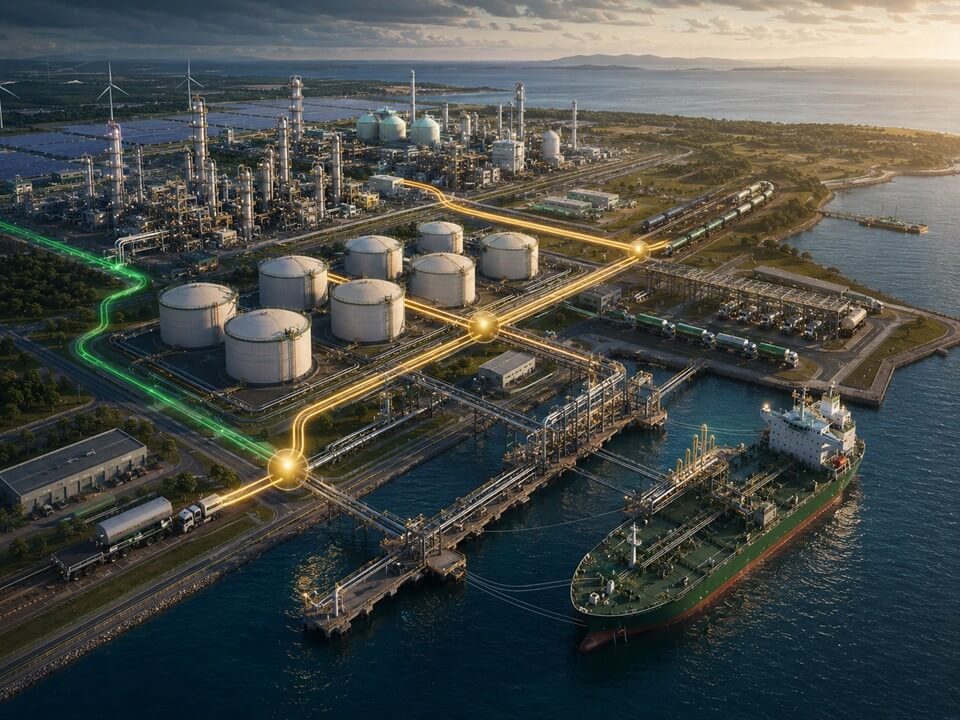
Storage, Logistics & Export

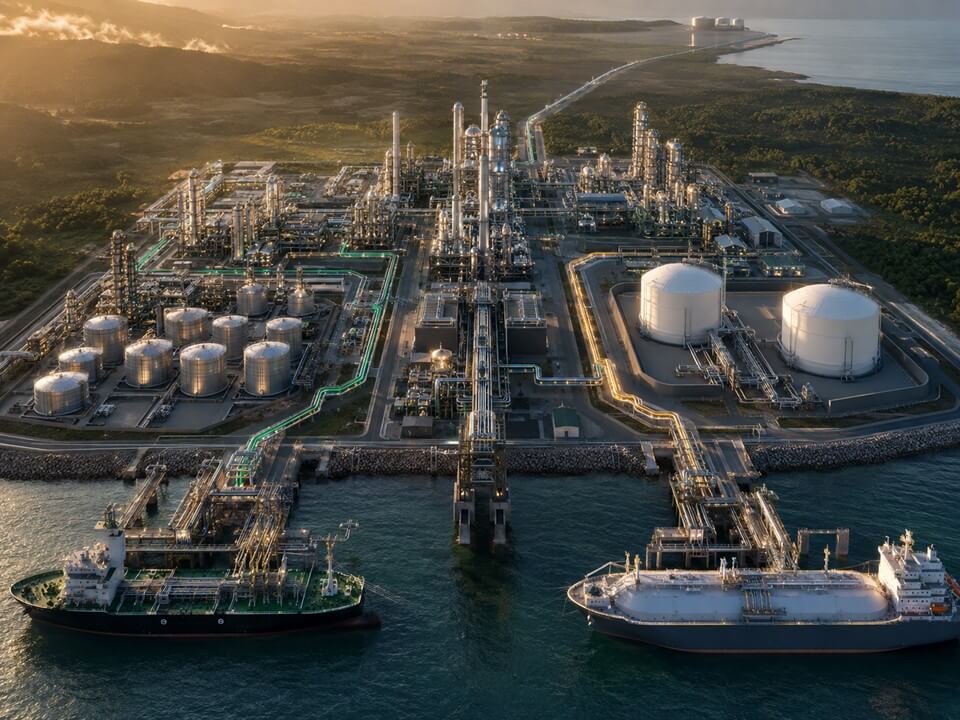
Define tank capacity, product handling, pipelines, inland transport, port access, loading, shipping, custody transfer, delivery responsibilities, and credible contingency arrangements.

Permitting, ESG & Process Safety

Establish the approval pathway and address environmental, social, emissions, water, waste, hazardous-material, process-safety, emergency-response, community, and lender requirements.

Execution, Operations & Risk Allocation

Align delivery and operating contracts around responsibilities, package interfaces, cost and schedule control, completion testing, ramp-up, performance security, insurance, and appropriate risk allocation.

“A disciplined development process turns environmental intent into defined lifecycle boundaries, traceable inputs, controlled resource use, measurable emissions, and enforceable operating safeguards.”

The NEOX Method Applied to Methanol From Production Concept to Investment Readiness.

NEOX applies a clear four-stage pathway to test project viability, establish the development and commercial structure, prepare the required evidence, and support credible engagement with counterparties and capital providers.

01 — Assess

Evaluate the production pathway, feedstock, technology, site, utilities, market, offtake, carbon requirements, economics, and material gaps to establish feasibility and development priorities.

02 — Structure

Define the plant configuration, development plan, commercial model, principal contracts, delivery strategy, capital requirements, financing approach, and allocation of project risks.

03. Prepare

Strengthen the technical studies, permits, financial model, principal agreements, implementation evidence, transaction materials, and data room required for investor and lender review.

04 . Engage

Support structured engagement with commercial counterparties and capital providers, coordinate due diligence, resolve material issues, align key terms, and advance informed investment and financing decisions.

“Capital should follow methanol projects that can prove commercial resilience and measurable environmental performance across the full value chain.”

ADVANCE YOUR METHANOL PROJECT

Build the Evidence Before Approaching Capital.

Identify the gaps before investors and lenders do.

Engage NEOX to evaluate, structure, and prepare your natural-gas-based, low-carbon, biomethanol, e-methanol, or integrated methanol–blue ammonia project for credible investment, financing, and execution discussions.

error: