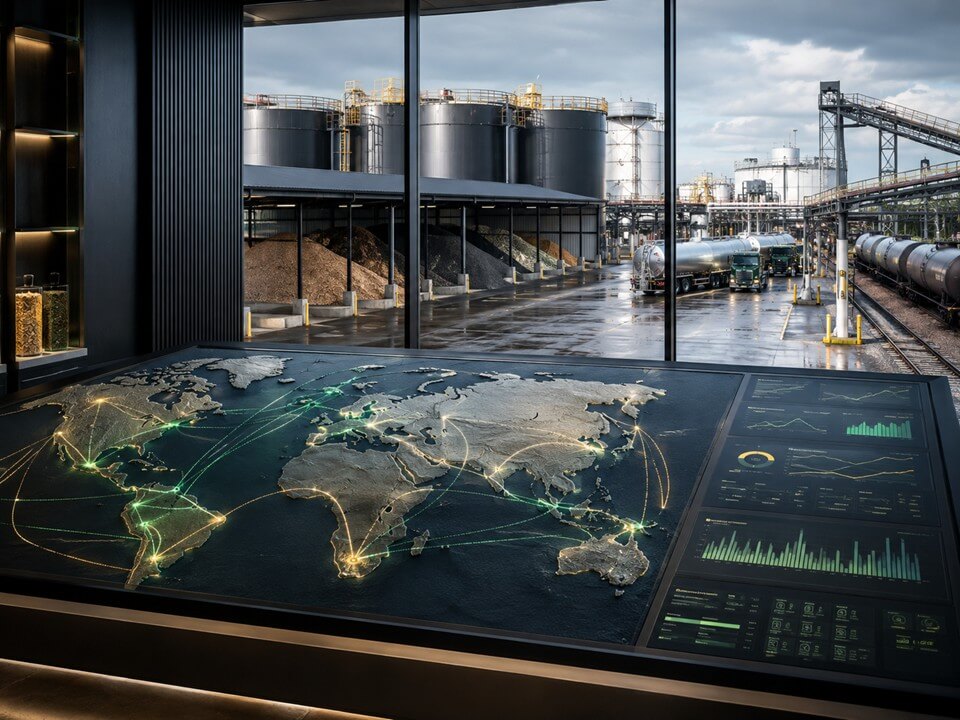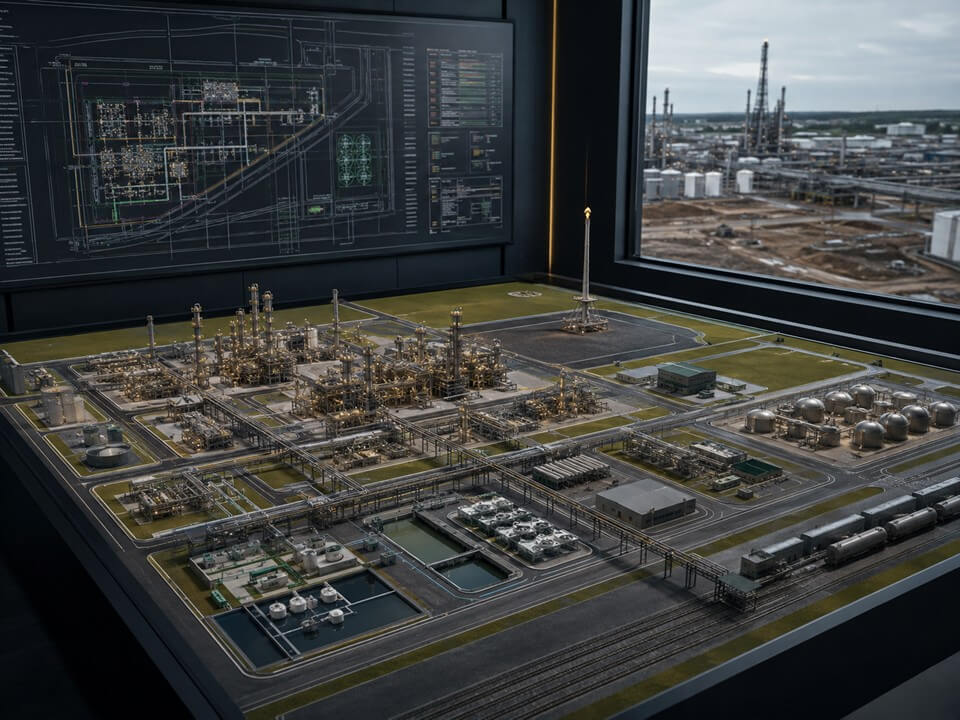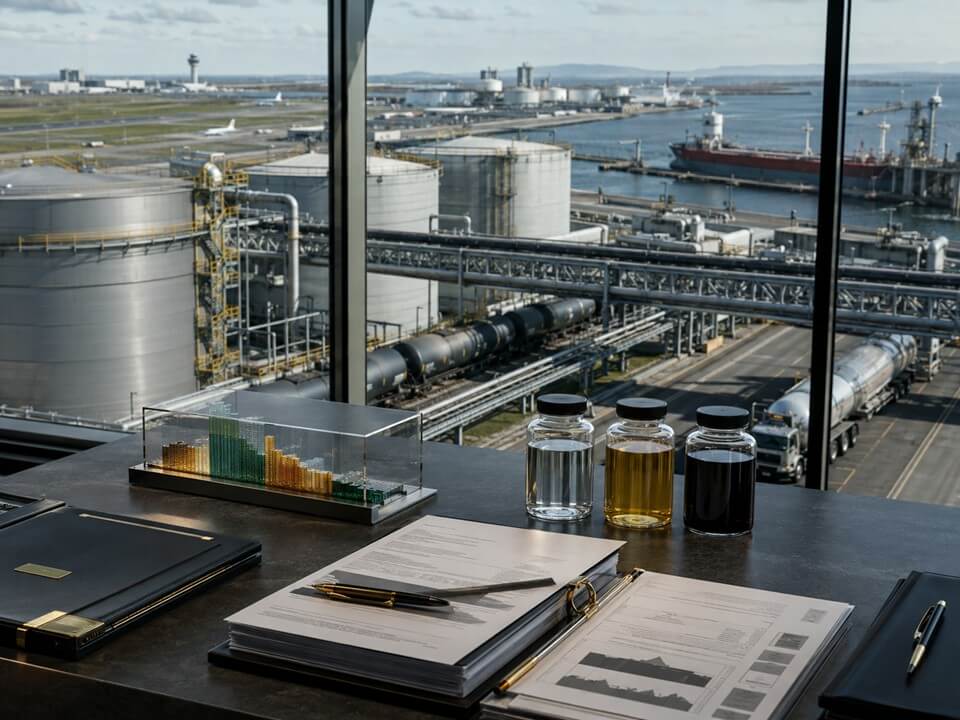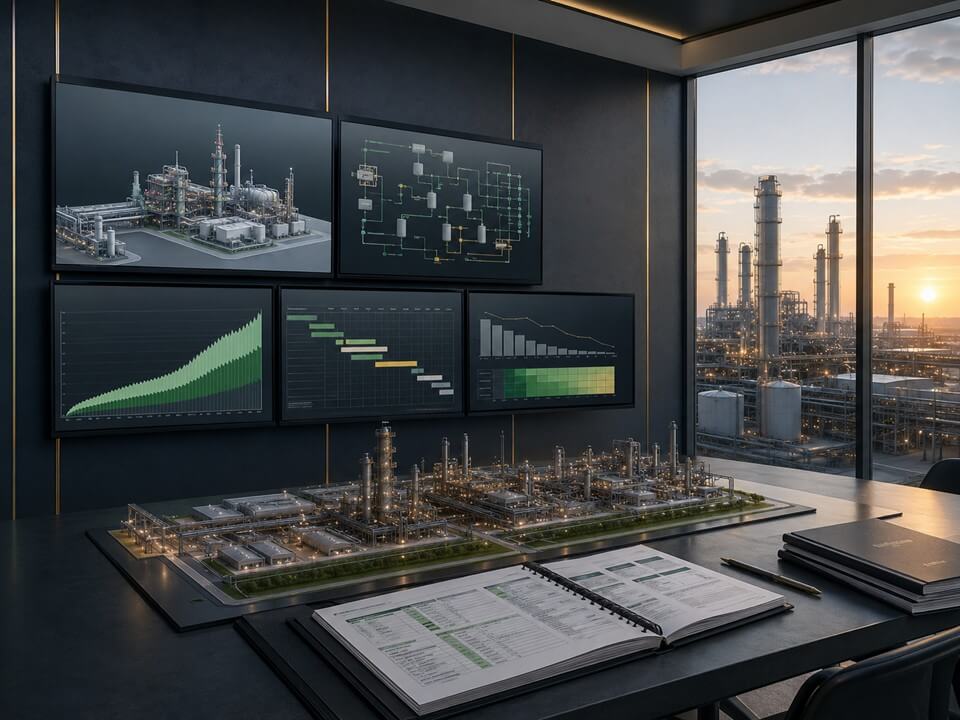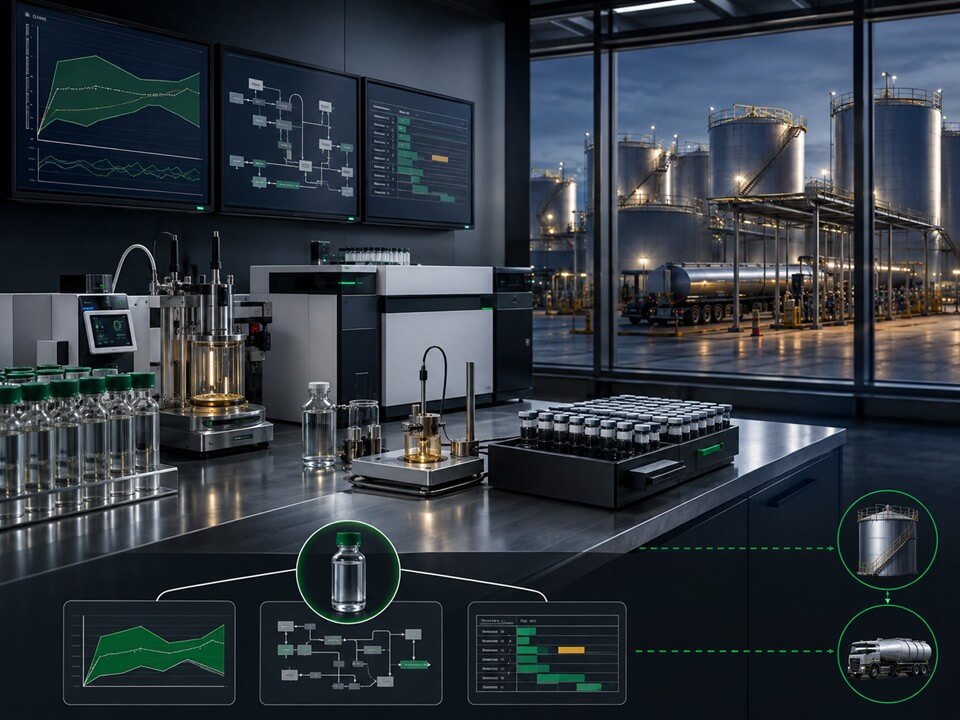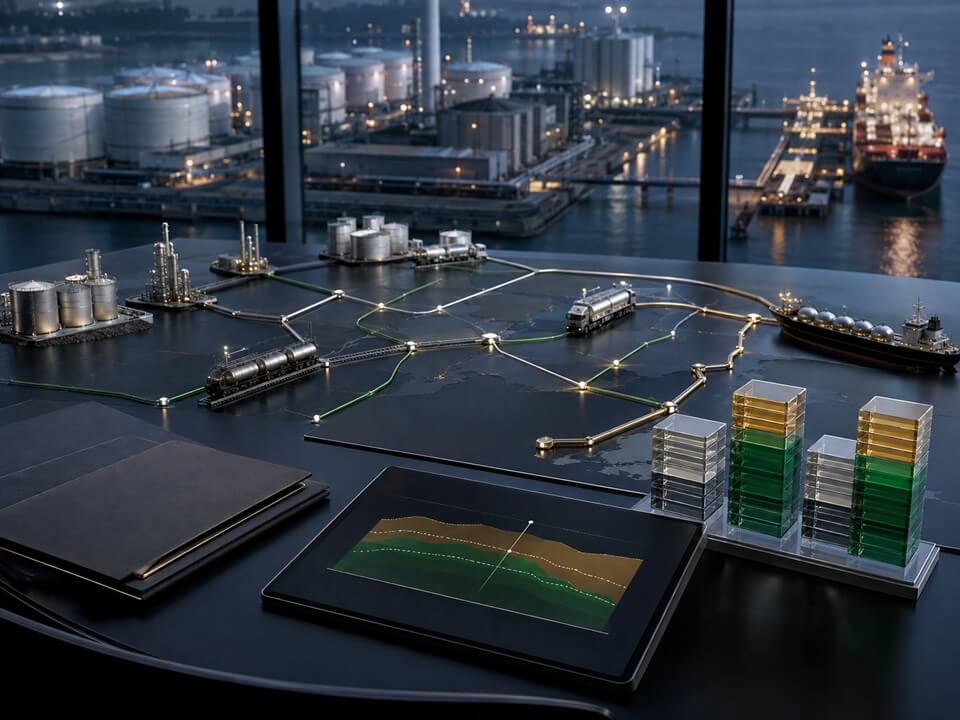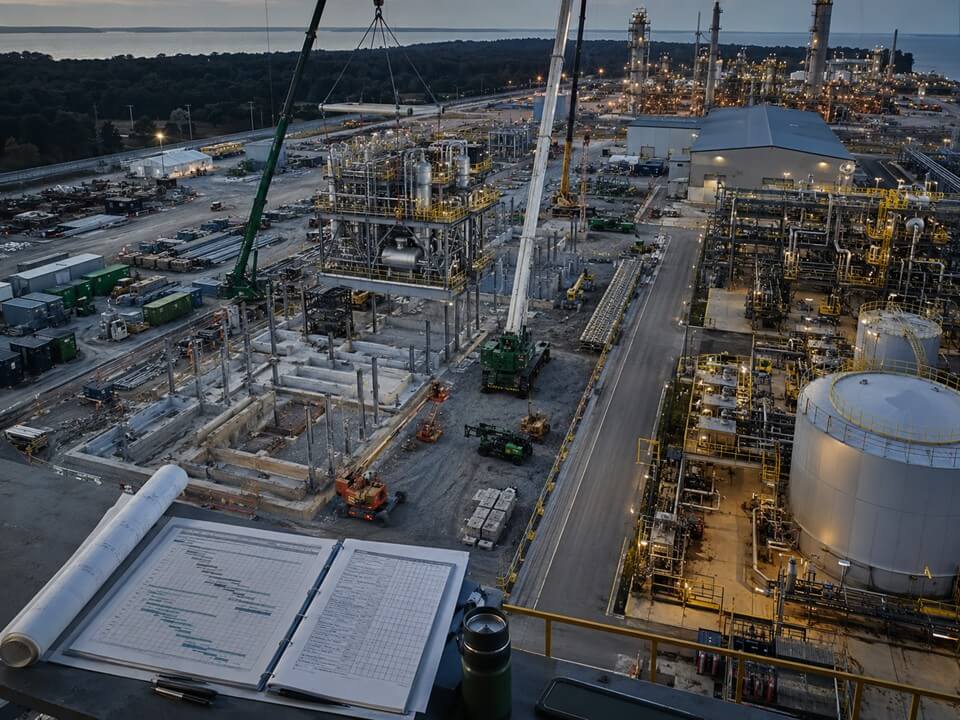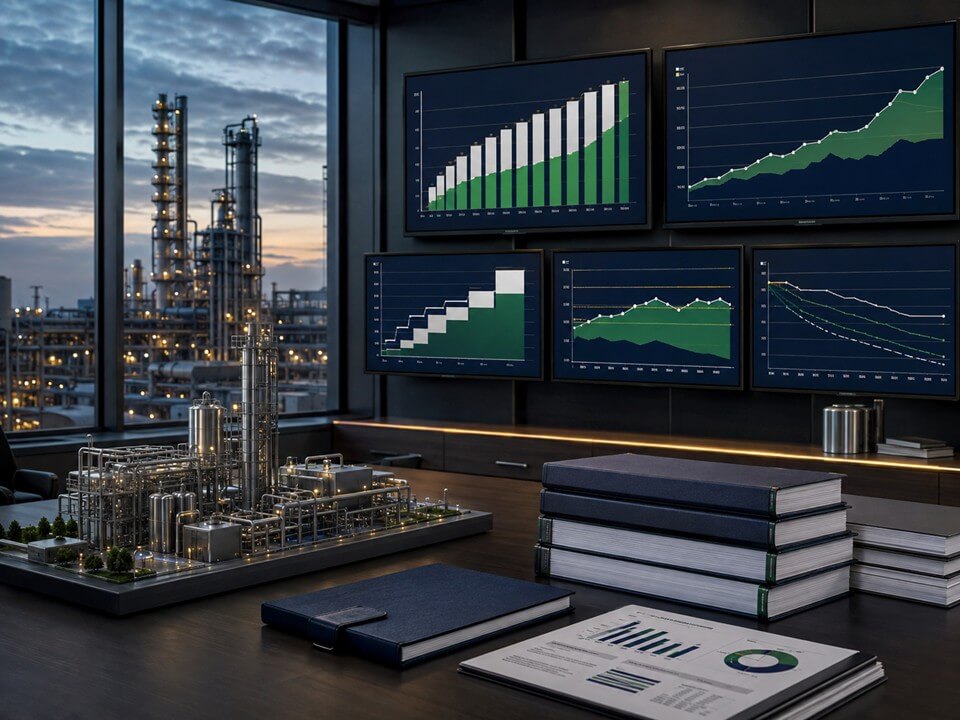
SUSTAINABLE FUELS PROJECT DEVELOPMENT From Feedstock and Power to a Financeable Fuels Platform.

NEOX works alongside sponsors to shape sustainable aviation fuel (SAF), eSAF, renewable diesel, naphtha, LPG, HVO, and refinery-conversion opportunities into technically coordinated, commercially structured, financially defensible, and transaction-ready projects.

PROJECT DEFINITION BEFORE CAPITAL A Fuel Pathway Is Not Yet an Investable Refinery.

The Development Challenge

Sustainable-fuels projects must integrate qualified inputs, proven conversion, compliant products, credible revenues, and executable delivery into a single defensible investment case. Weakness in any critical interface can undermine eligibility, economics, schedule, or financing capacity.

Input Security & Delivered Economics

Lipids, alcohols, biomass, waste, renewable power, water, hydrogen, carbon, and utilities must align with the selected pathway, scale, quality, location, and certification regime. Availability alone does not establish deliverability, price stability, traceability, or lifecycle performance.

Technology, Yield & Plant Performance

Licensor maturity, pretreatment, conversion efficiency, hydrogen balance, product yield, utility demand, coproduct recovery, operating references, and performance guarantees determine whether the proposed plant can achieve its production and cost assumptions.

Product Qualification & Carbon Integrity

Fuel specifications, approved production pathways, product testing, lifecycle boundaries, chain of custody, feedstock eligibility, renewable-input qualification, and certification evidence must align with the intended market before value is attributed.

Offtake, Execution & Capital Readiness

Policy-driven demand does not equal contracted revenue. Product volumes, pricing, buyer credit, environmental attributes, delivery terms, EPC risk, capital cost, schedule, and downside protection must support an investable commercial structure.

“Development value is created by resolving critical interfaces before they become cost, schedule, or financing failures.”

CO-DEVELOPMENT ACROSS THE VALUE CHAIN NEOX as Project Co-Developer

Coordinating the Decisions That Determine Project Value.

NEOX works alongside sponsors and specialist advisers to define the project, coordinate feasibility studies, resolve material interfaces, translate findings into an integrated financial model, organize the evidence, and prepare a credible route to investment and financing.

Development Strategy & Project Definition

Define the project thesis, preferred pathway, scale, location, phasing, development budget, work program, and decision gates. Screen fatal flaws early and establish the scope and evidence required for each subsequent development stage.

Feedstock & Input-Supply Strategy

Assess sources, specifications, competing demand, aggregation, seasonality, logistics, storage, pricing, indexation, traceability, and sustainability requirements. Translate resource potential into a route-specific and commercially supportable supply plan.

Technology, Site & Infrastructure

Coordinate pathway selection, licensor inputs, process integration, utilities, hydrogen, carbon supply, storage, site conditions, and road, rail, pipeline, airport, or port interfaces. Define the configuration around actual project constraints.

Commercial Structure, Market Access & Offtake

Align product slate, target markets, quality requirements, contracted volumes, pricing mechanisms, buyer credit, environmental attributes, delivery obligations, and alternative sales routes within a coherent revenue strategy.

Feasibility Studies, Financial Modeling & Capital Strategy

Coordinate technical, feedstock, market, commercial, ESG, permitting, logistics, execution, and financial feasibility workstreams. Translate their findings into an integrated financial model that tests capital cost, operating economics, funding requirements, debt capacity, returns, sensitivities, and the conditions required for capital participation.

Due Diligence, Transaction Preparation & Engagement

Coordinate adviser outputs, project materials, risk registers, data-room evidence, financial-model review, investor and lender questions, and term-sheet evaluation. Prepare the sponsor to engage capital with a defensible investment case.

“Development value is created by resolving critical interfaces before they become cost, schedule, or financing failures.”

PATHWAY-LED DEVELOPMENT Configure the Plant Around Its Inputs, Market, and Risk.

Sustainable-Fuels Project Configurations

Each pathway represents a different project—not an interchangeable technology label. NEOX helps sponsors compare configurations against resource availability, product strategy, technology maturity, infrastructure, carbon performance, and financing requirements.

HEFA SAF & Renewable Diesel/HVO Refinery

Fats, oils, greases, and other eligible lipid feedstocks are pretreated, hydroprocessed, isomerized, and fractionated into sustainable aviation fuel, renewable diesel, and configuration-dependent coproducts.


Development priorities include feedstock competition and quality, hydrogen demand, product optimization, lifecycle performance, storage, and fuel logistics.

Alcohol-to-Jet SAF Facility

Ethanol or other qualified alcohol intermediates are converted through dehydration, oligomerization, hydrogenation, and fractionation into aviation-fuel blending components and related products.


Critical considerations include alcohol supply and carbon intensity, conversion yield, technology and scale-up evidence, hydrogen use, product qualification, and integration with existing ethanol or logistics infrastructure.

Fischer–Tropsch Biomass- or Waste-to-Liquids Complex

Eligible biomass, residues, or waste-derived inputs are prepared and gasified, with the resulting syngas cleaned, conditioned, synthesized, and upgraded into aviation and middle-distillate products.


Feedstock heterogeneity, gasifier availability, syngas quality, waste handling, process integration, plant scale, and execution complexity require disciplined validation.

Power-to-Liquid eSAF Platform

Renewable electricity, water, and an eligible carbon source are integrated through electrolysis, carbon conditioning, synthesis, and upgrading to produce eSAF and configuration-dependent coproducts.


Power cost and qualification, electrolyzer utilization, carbon eligibility, temporal matching, storage, synthesis performance, and long-term offtake drive the investment case.

Brownfield Conversion, Co-Processing & Refinery Integration

Existing hydrotreaters, co-processing capacity, utilities, tankage, laboratories, pipelines, and logistics may reduce capital costs or schedules—but only where conditions, metallurgy, capacity, feed limits, contaminant control, shutdown requirements, operating trade-offs, product segregation, and qualification needs are demonstrated.


Brownfield value must be verified, not assumed.

“The right pathway is the one the project can supply, operate, qualify, certify, and sell competitively.”

Bankability Workstreams PROJECT READINESS & DUE DILIGENCE

What Investors and Lenders Will Test Before Committing Capital.

NEOX organizes the project evidence, specialist inputs, and commercial decisions across eight interdependent workstreams to identify material gaps, strengthen the investment case, and prepare the sponsor for due diligence.

Feedstock & Critical-Input Security

Validate eligible volumes, quality, provenance, aggregation, seasonality, competing uses, transport, storage, losses, pricing, indexation, supplier credit, contract duration, traceability, and fallback supply against the plant’s operating requirements.

Technology, Licensing & Process Performance

Assess pathway qualification, licensor experience, technology maturity, scale-up, pretreatment, conversion yield, catalyst life, hydrogen balance, availability, product slate, emissions, operating references, warranties, and performance guarantees.

Renewable Power, Hydrogen & Carbon Supply

Define electricity sources, grid exposure, renewable qualification, generation profile, storage, water, electrolyzer performance, hydrogen buffering, carbon source and conditioning, delivery infrastructure, contract structure, and lifecycle implications.

Site, Utilities, Storage & Logistics

Confirm land, geotechnical conditions, power, water, steam, cooling, gas, wastewater, laboratories, fire systems, product segregation, tanks, blending, pipelines, road, rail, airport, port, and shared-facility arrangements.

Product Qualification, Carbon Accounting & Certification

Map fuel specifications, production-pathway requirements, testing, blending, chain of custody, lifecycle boundaries, feedstock eligibility, renewable-input rules, sustainability certification, reporting, audit evidence, and target-market acceptance.

Market Strategy, Offtake & Revenue Structure

Align product grade, sales volumes, buyer credit, price formation, indexation, premiums, policy value, environmental attributes, payment security, delivery terms, take-or-pay protection, volume flexibility, and alternative markets.

EPC, Execution, Operations & Risk Allocation

Evaluate contracting strategy, contractor capability, licensor and package interfaces, long-lead equipment, schedule, completion testing, liquidated damages, contingency, commissioning, operator readiness, maintenance, insurance, and allocation of retained risks.

Financial Model, Funding Plan & Financing Capacity

Integrate operating assumptions, capital cost, schedule, working capital, taxes, incentives, funding sources, debt terms, reserve requirements, covenant capacity, returns, and downside cases within an auditable financing model.

“Capital follows verified inputs, credible performance, protected revenues, executable delivery, and resilience under downside conditions.”

PROJECT ECONOMICS & FINANCING CAPACITY Financial Modeling

Converting Process Assumptions into Cash Flow and Capital Capacity.

NEOX translates the selected pathway into an integrated financial model that connects production, revenues, capital deployment, financing, and downside risk—so sponsors can understand what the project can support and what must still be proven.

Production & Operating Model

Forecast input consumption, conversion efficiency, product yield, ramp-up, availability, planned maintenance, utility demand, catalyst use, emissions, coproduct output, inventory, logistics, and operating cost across the project life.

Revenue, Incentives & Project Economics

Model contracted and merchant volumes, product netbacks, pricing and indexation, coproduct revenue, environmental attributes, eligible incentives, operating cash flow, unit production cost, break-even price, and total funding requirements without assuming unsupported premiums.

Funding Requirements & Debt Capacity

Assess base capital cost, contingency, owner’s costs, development expenditure, interest during construction, fees, reserves, working capital, drawdown timing, sustainable leverage, repayment profile, debt-service coverage, and covenant headroom.

Returns, Sensitivities & Downside Resilience

Test equity returns and financing capacity against feedstock price and volume, yield, energy and hydrogen cost, carbon availability, product price, incentive changes, capital overruns, schedule delay, ramp-up, availability, interest rates, and refinancing assumptions.

“Project economics become credible when every material technical, commercial, schedule, and risk assumption is reconciled in the financial model.”

STAGE-GATE PROJECT DEVELOPMENT Advance the Project Through Evidence-Based Decision Gates.

Coordinating the Decisions That Determine Project Value.

NEOX structures development into defined stages, deliverables, decision criteria, and approval gates. At each gate, the sponsor can proceed, rework, hold, or stop—controlling development expenditure while technical, commercial, financial, ESG, and execution confidence improves.

01 — Screen the Opportunity

Define the sponsor’s objectives, target products and markets, potential inputs, pathways, locations, policy context, infrastructure, strategic fit, and principal constraints.

Confirm strategic relevance, identify fatal flaws, and authorize concept development.

02 — Select the Preferred Concept

Compare pathway, technology, scale, site, product slate, integration, utilities, storage, logistics, development schedule, indicative capital cost, and preliminary economics.


Endorse the preferred configuration, feasibility scope, development budget, advisers, and evidence plan.

03 — Prove Feasibility

Coordinate technical, feedstock, market, commercial, ESG, permitting, infrastructure, logistics, execution, and financial feasibility studies. Integrate their findings into the project model and test the base case and downside scenarios.

Confirm that the preferred concept has a defensible development case and authorize detailed project definition.

04 — Define & Structure the Project

Advance engineering definition, site and permitting plans, supply and offtake strategy, contracting approach, execution schedule, risk allocation, capital estimate, operating plan, and financing structure.

Confirm that scope, economics, risks, contracts, and supporting evidence are sufficiently developed for formal due diligence and capital engagement.
05 — Prepare, Engage & Close

Assemble the Project Information Memorandum, integrated financial model, due diligence reports, risk register, data room, management responses, and financing plan. Engage suitable equity and debt providers, evaluate terms, resolve conditions, and support final investment and financing approvals.

Confirm committed capital, required approvals, financing conditions, and authorization to proceed into execution.

06 — Execute & Transition

Support sponsor governance across design completion, procurement, construction, cost, schedule, risk, change control, completion testing, commissioning, ramp-up, handover, and operating-readiness interfaces.

Verify completion evidence, performance-test outcomes, residual obligations, handover requirements, and readiness for stable commercial operations.

“Capital engagement should begin when the evidence can withstand scrutiny—not simply when the project needs money.”

Why NEOX SENIOR-LED DEVELOPMENT & FINANCE ADVISORY

One Coordinated Investment Case Across Every Workstream.

Sustainable-fuels projects sit at the intersection of industrial processing, energy, infrastructure, environmental markets, regulation, and structured finance. NEOX brings those dimensions together around the decisions a sponsor—and ultimately capital providers—must make.

Development and Finance in One View

Technical choices are assessed through their commercial, financial, contractual, and execution consequences—not as isolated engineering decisions.

Senior-Led Judgment

Engagement is led by experienced project development and infrastructure finance leadership, with a focus on material risks, decision quality, and the next value-creating milestone.


Multidisciplinary Coordination

NEOX works across technical, legal, environmental, market, pricing, insurance, tax, commercial, and financial advisers to keep the investment case internally consistent.
Transaction-Readiness Discipline

Assumptions, contracts, models, reports, approvals, risks, and management responses are organized into evidence that investors and lenders can interrogate efficiently.

“Development value is created by resolving critical interfaces before they become cost, schedule, or financing failures.”

PROJECT REVIEW & CO-DEVELOPMENT

Bring the Project Before You Bring It to Capital.

Identify the gaps before investors and lenders do.

Whether you are developing a new sustainable-fuels facility, evaluating a refinery conversion, restructuring an existing concept, or preparing for investor and lender engagement, NEOX can help define the missing decisions and build a more defensible route forward.

error: