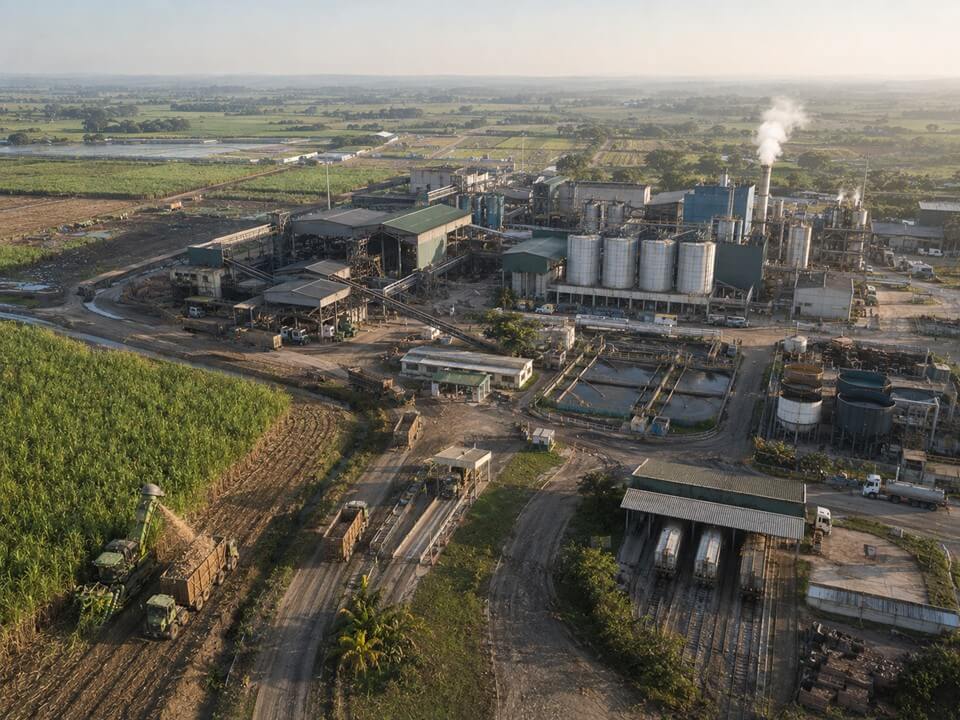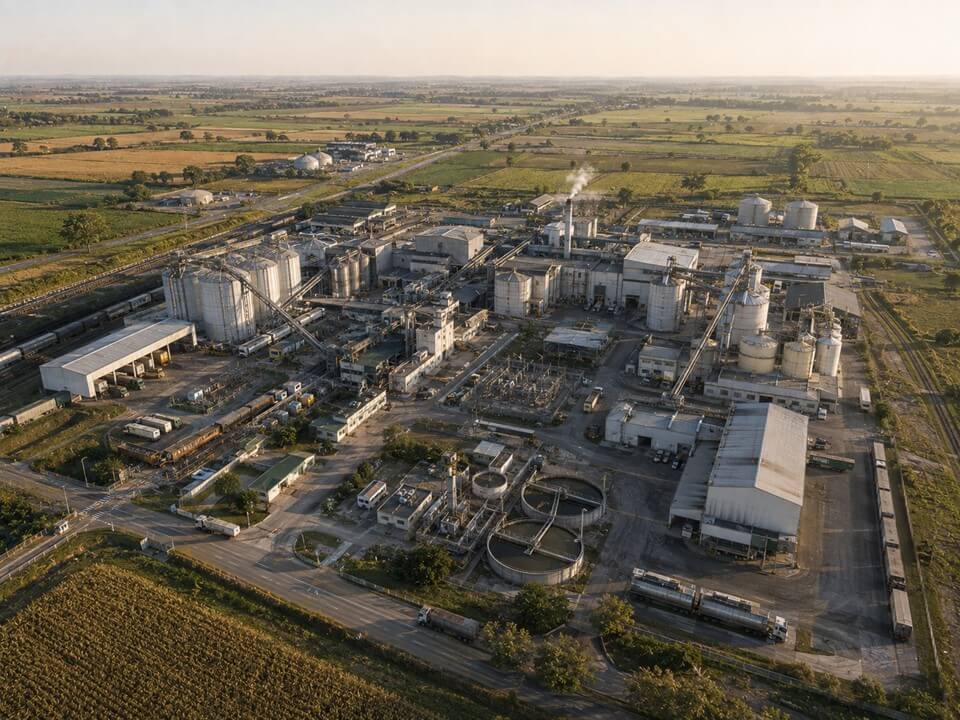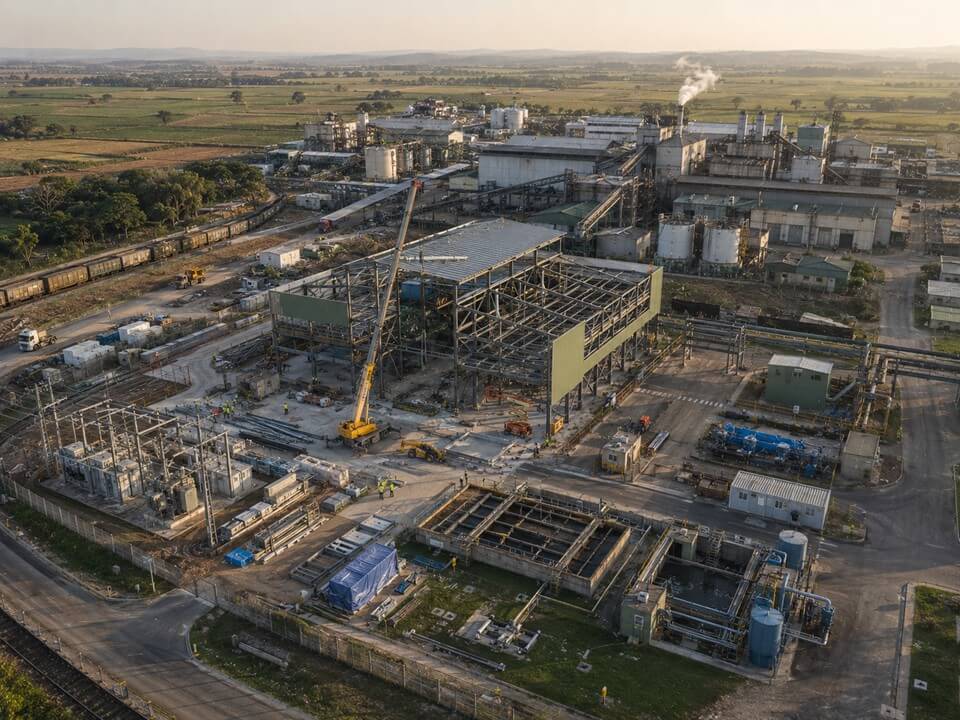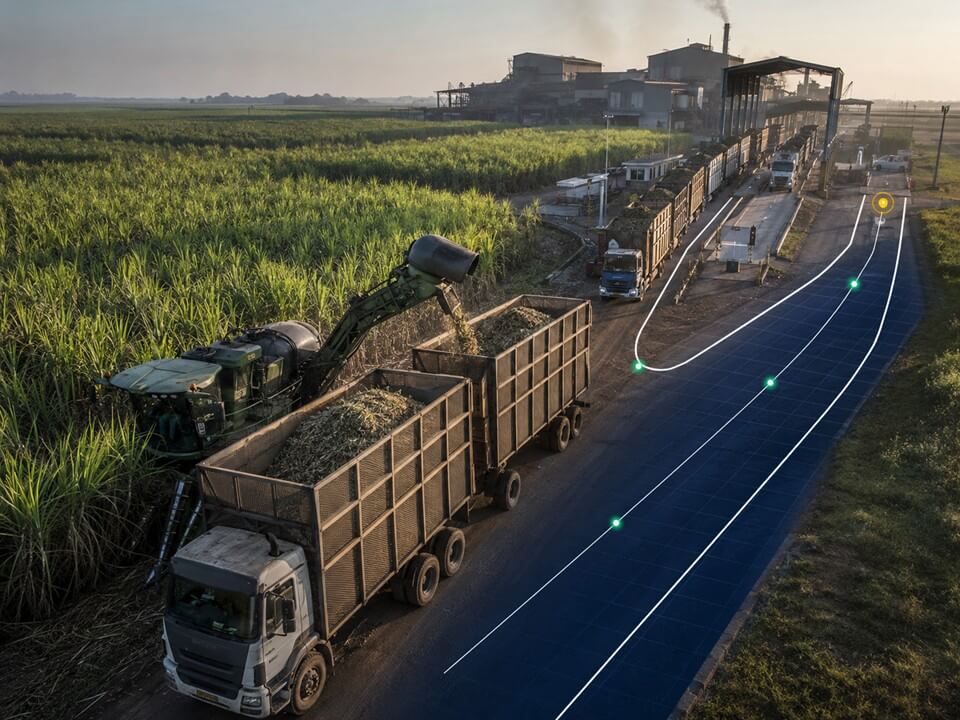
SUGAR & AGRO-INDUSTRIAL PROJECT DEVELOPMENT From Agricultural Supply to a Financeable Processing Project.

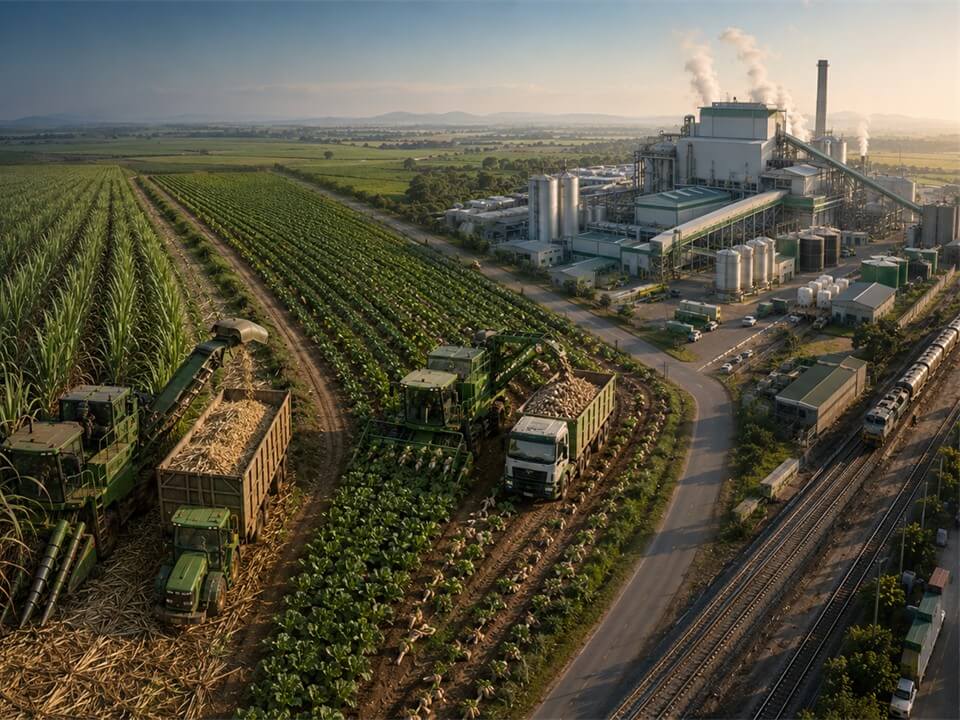
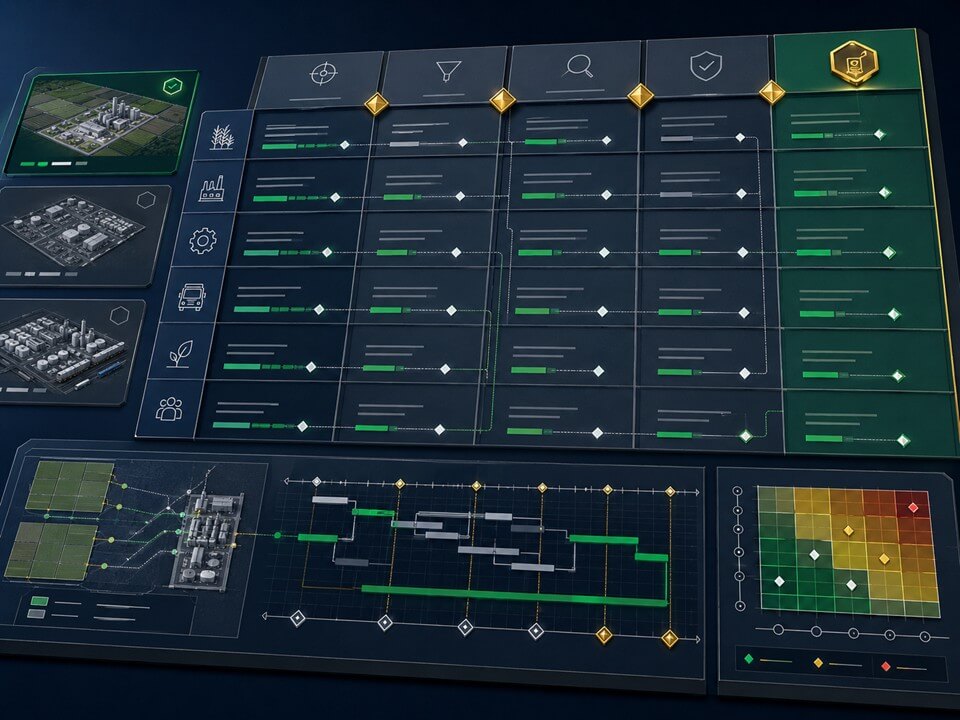
NEOX works alongside sponsors to develop sugar and agro-industrial projects that are technically coordinated, commercially structured, financially defensible, and prepared for credible capital engagement—aligning land and feedstock, agricultural production, processing technology, utilities, infrastructure, product markets, co-products, ESG requirements, risk allocation, and financing strategy.

BANKABILITY BEGINS WITH PROJECT DEFINITION A Processing Concept Is Not Yet a Financeable Project.

The Development Challenge

Sugar and agro-industrial projects depend on agricultural, industrial, commercial, environmental, and infrastructure systems performing as one enterprise. Weakness in feedstock supply, plant design, market access, or execution planning can undermine utilization, cash flow, debt capacity, and investor confidence.

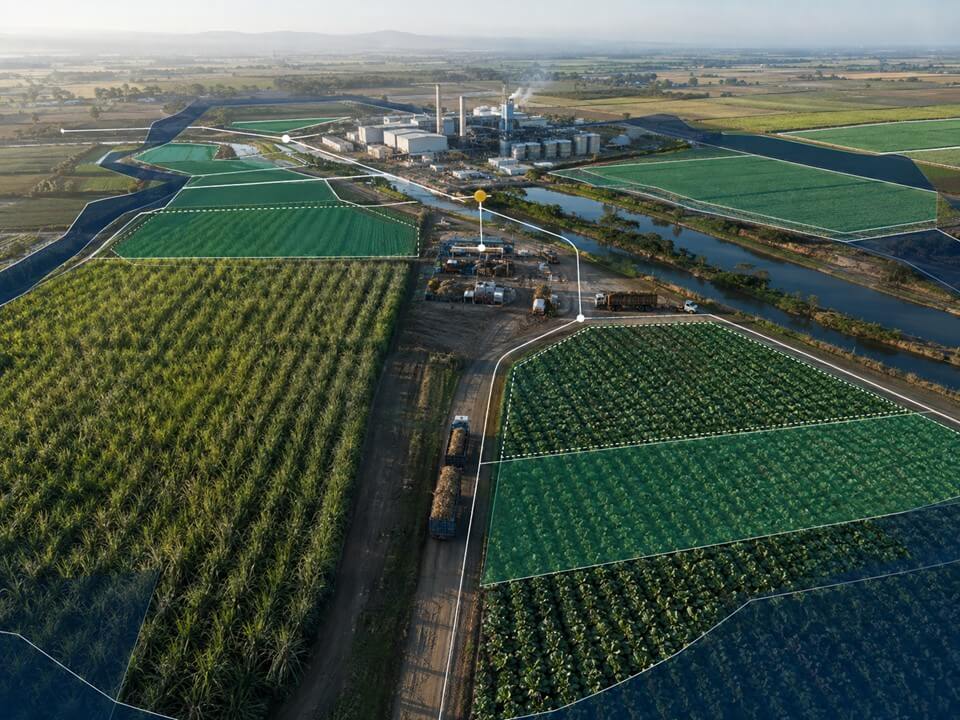
Feedstock & Crop Security

Land access, crop suitability, recoverable sugar, seasonality, water availability, farm inputs, harvesting capacity, competing uses, and delivery distances determine whether sufficient feedstock can reach the plant at the required quality, timing, and cost.

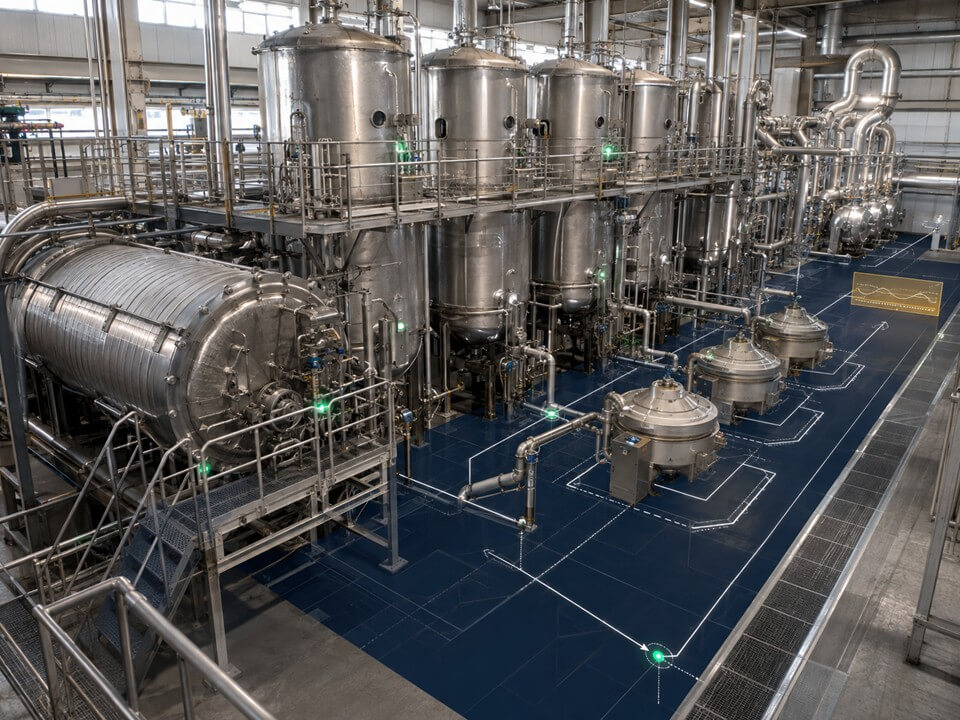
Plant Performance & Integration

Process selection, process yield and recovery, campaign or annual operating profile, energy balance, utilities, maintenance, product quality, operator capability, performance guarantees, and ramp-up planning must support realistic throughput, availability, operating cost, and production forecasts.

Market & Revenue Certainty

Product specifications, domestic and export demand, pricing basis, contracted volumes, buyer creditworthiness, payment security, storage, distribution, and viable co-product markets determine whether projected revenues can withstand commercial and lender scrutiny.

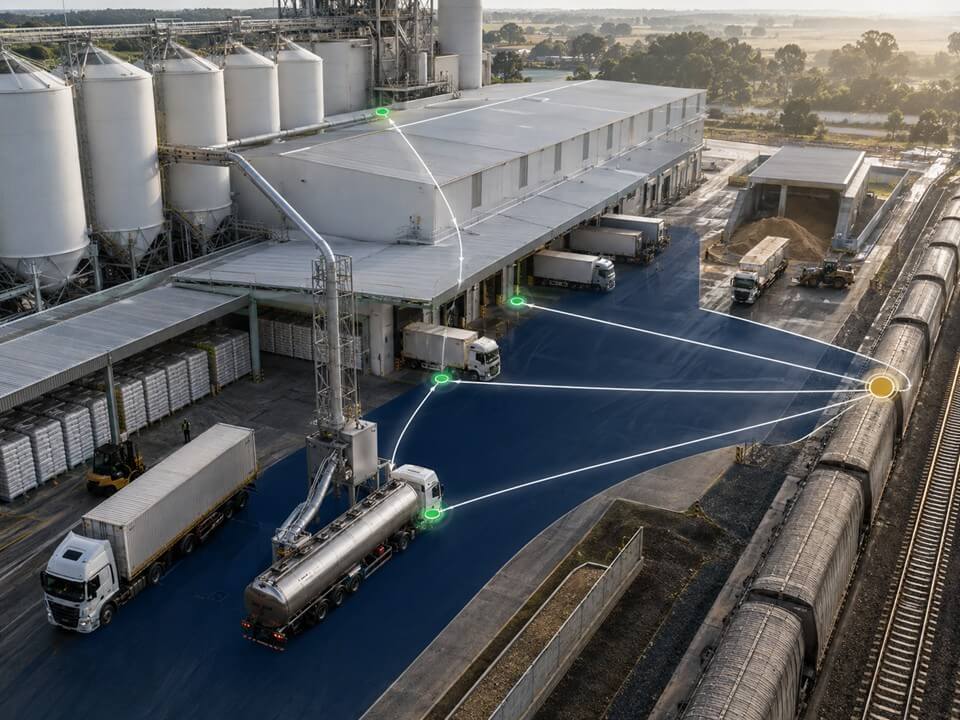
Infrastructure & Execution Readiness

Roads, rail, ports, power, water, fuel, storage, permits, stakeholder requirements, contracting strategy, cost, schedule, and construction interfaces must be resolved sufficiently to establish a credible delivery plan and funding requirement.

“Agricultural resources create value only when feedstock, processing, markets, and infrastructure perform as one enterprise.”

SPONSOR-SIDE DEVELOPMENT INTEGRATION NEOX as Project Co-Developer

One Coordinated Program. One Defensible Investment Case.

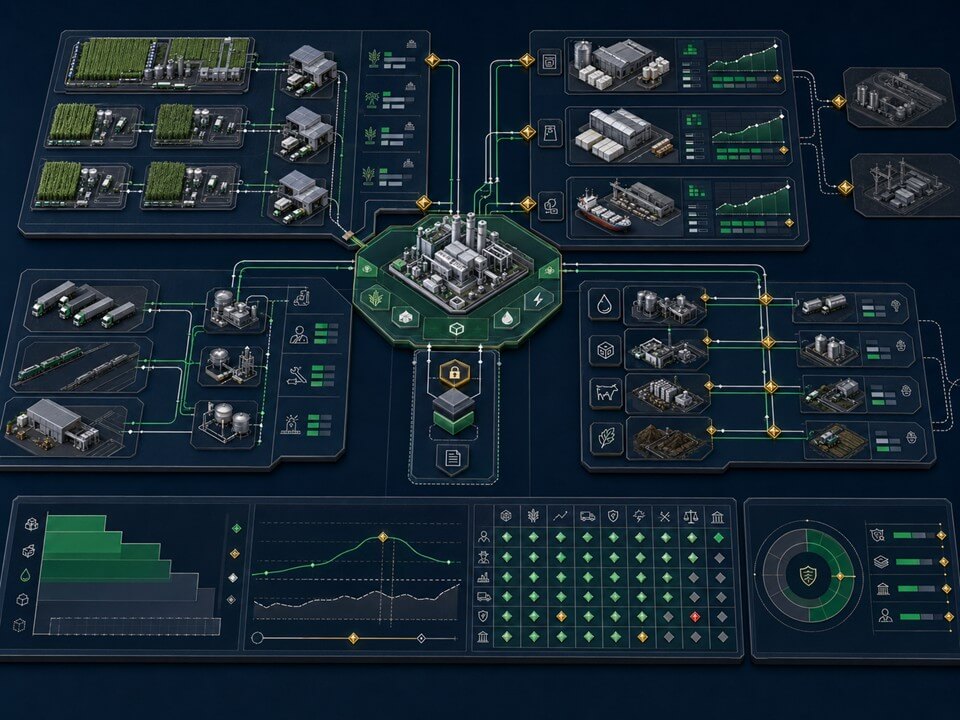
NEOX integrates the project’s technical, commercial, financial, contractual, ESG, and transaction workstreams so that decisions remain aligned and material gaps are addressed before investor and lender engagement.

Development Strategy & Feasibility

Define the development pathway, project configuration, market positioning, execution priorities, decision gates, information requirements, and implementation roadmap.

Technical Configuration & Integration

Coordinate technical specialists to align renewable power, electrolysis, nitrogen production, ammonia synthesis, utilities, storage, logistics, and supporting infrastructure.

Commercial Structure & Offtake

Develop the contracting strategy for electricity, water, technology, EPC, feedstock, utilities, operations, logistics, product sales, and long-term offtake.

Financial Modeling & Capital Strategy

Translate technical and commercial assumptions into project economics, funding requirements, debt capacity, equity returns, downside cases, and financing strategy.

ESG, Certification & Approvals

Map environmental and social requirements, lifecycle-emissions boundaries, product certification, permitting pathways, stakeholder obligations, and applicable market-access requirements.

Due Diligence & Transaction Preparation

Coordinate technical, legal, environmental, market, pricing, insurance, tax, financial, and commercial advisers while preparing the sponsor for capital-provider review.

“Project configuration must follow proven feedstock, market, infrastructure, and capital constraints—not predetermined plant capacity.”

CONFIGURATION-LED DEVELOPMENT Structuring the Project Around Its Feedstock, Market, and Infrastructure.

Project Configurations

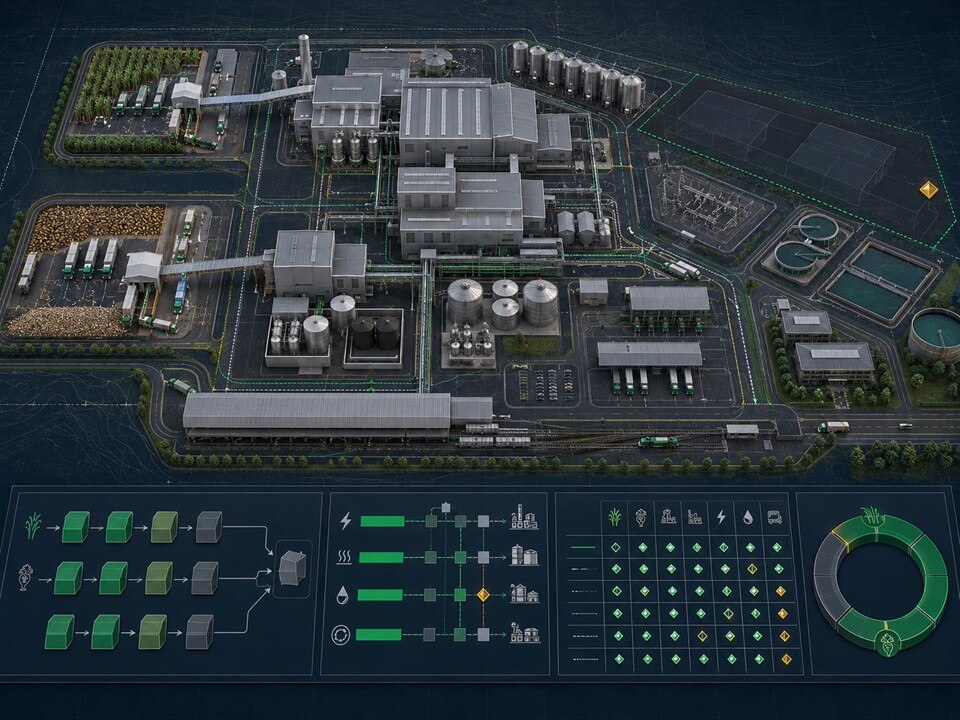
The appropriate configuration depends on agricultural resources, raw-material availability, product demand, infrastructure, operating strategy, and capital capacity. NEOX helps sponsors define a project scope that reflects these conditions rather than forcing the opportunity into a predetermined plant concept.

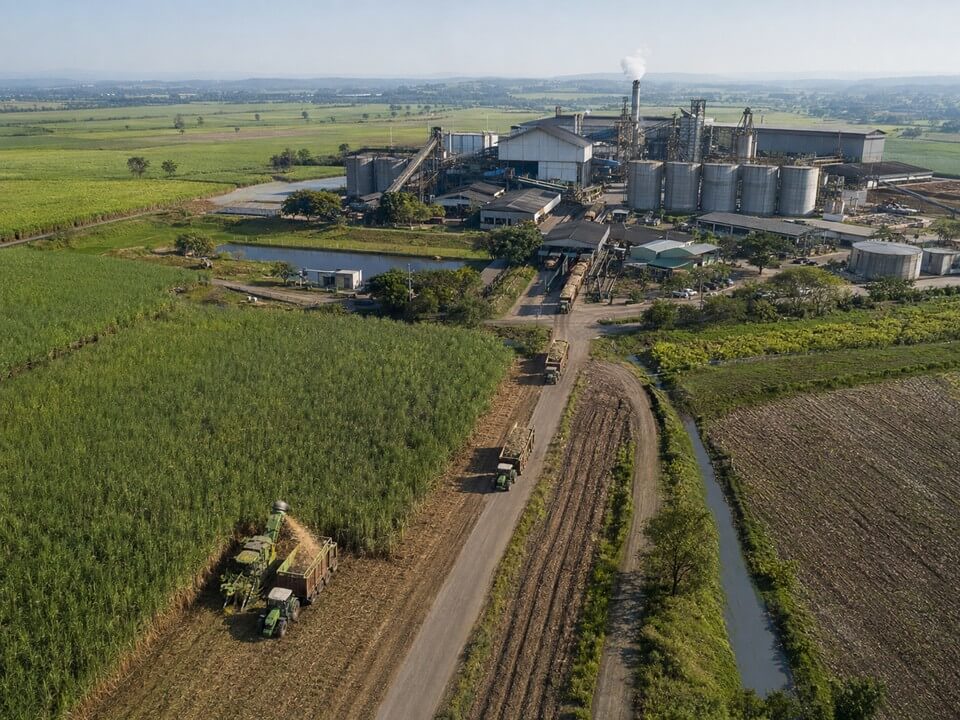
Integrated Sugarcane Estate & Mill

Estate, contracted-grower, or blended cane supply coordinated with harvesting, transport, milling, raw or plantation white sugar production, utilities, bagasse handling, storage, and distribution infrastructure.

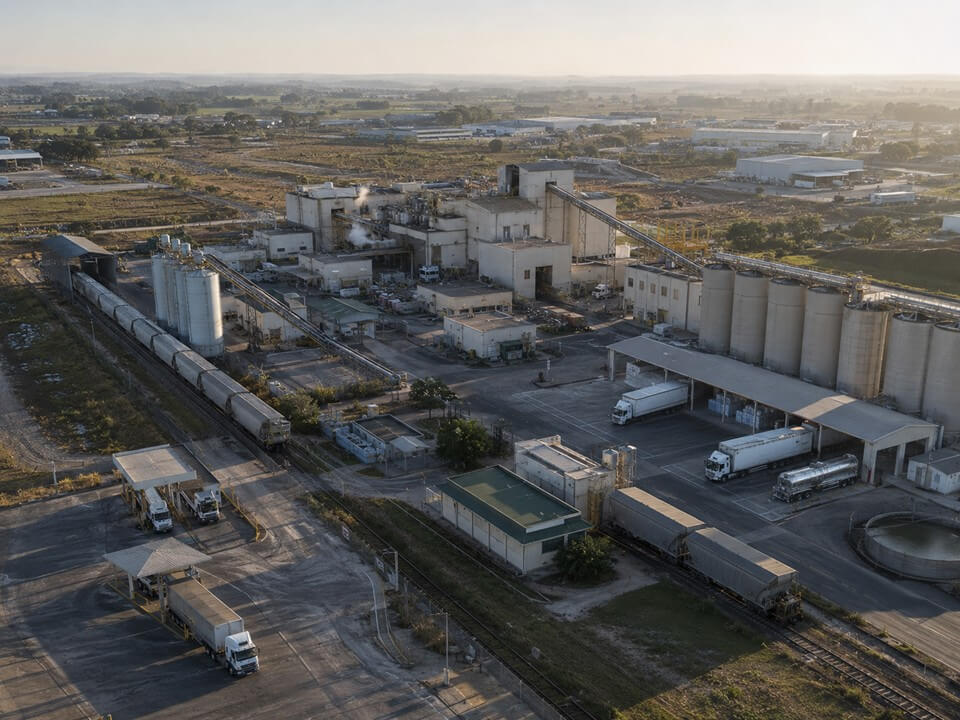
Standalone Sugar Refinery

Locally sourced or imported raw sugar received, stored, refined, packaged, and dispatched through a facility configured around supply terms, receiving logistics, market specifications, utilities, warehousing, and domestic or export distribution.

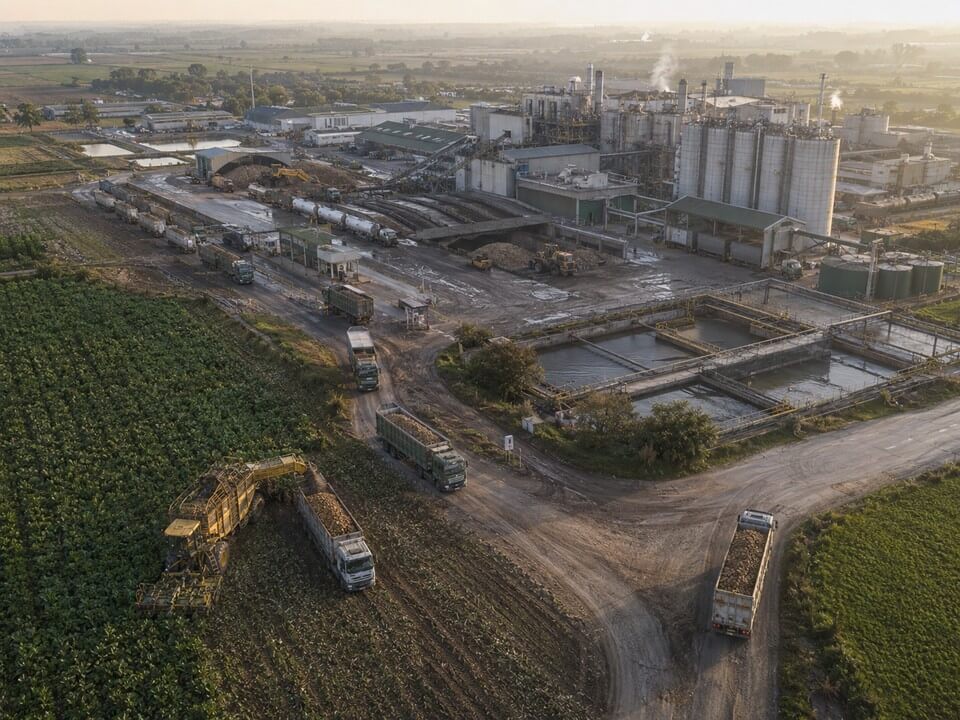
Sugar Beet Processing Complex

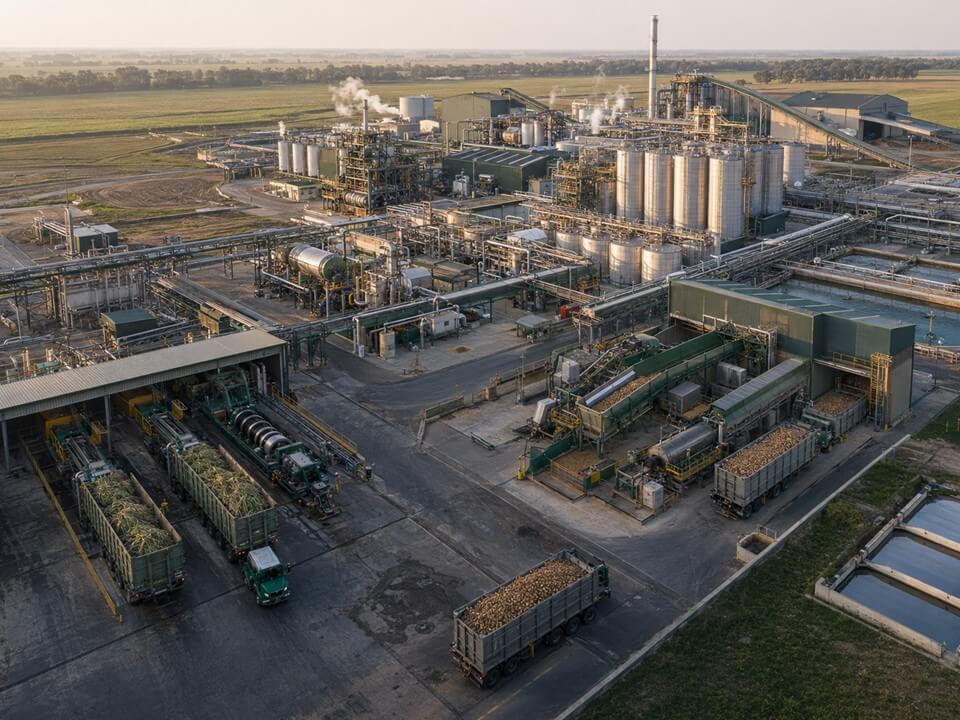
Beet cultivation and seasonal delivery aligned with reception, short-term handling, processing, sugar recovery, pulp utilization, energy requirements, storage, and market distribution during a defined operating campaign.

Sugar, Ethanol & Bioenergy Complex

Sugar production combined, where viable, with juice- or molasses-based ethanol, bagasse cogeneration, biomass use, and other co-products to diversify revenues and improve resource and energy utilization.

Agro-Industrial Processing Hub

Shared utilities, storage, logistics, and service infrastructure supporting crop aggregation, primary processing, packaging, and multiple compatible agricultural value chains within a coordinated industrial platform.

Brownfield Expansion & Modernization

Targeted debottlenecking, capacity expansion, automation, energy optimization, process improvement, product-quality enhancement, and infrastructure renewal structured around existing-plant constraints, operating continuity, and measurable performance objectives.

“Only an integrated model can translate seasonal feedstock, operating performance, prices, and risk into financeable cash flow.”

PROJECT READINESS & DUE DILIGENCE What Investors and Lenders Will Test Before Committing Capital.

Bankability Workstreams

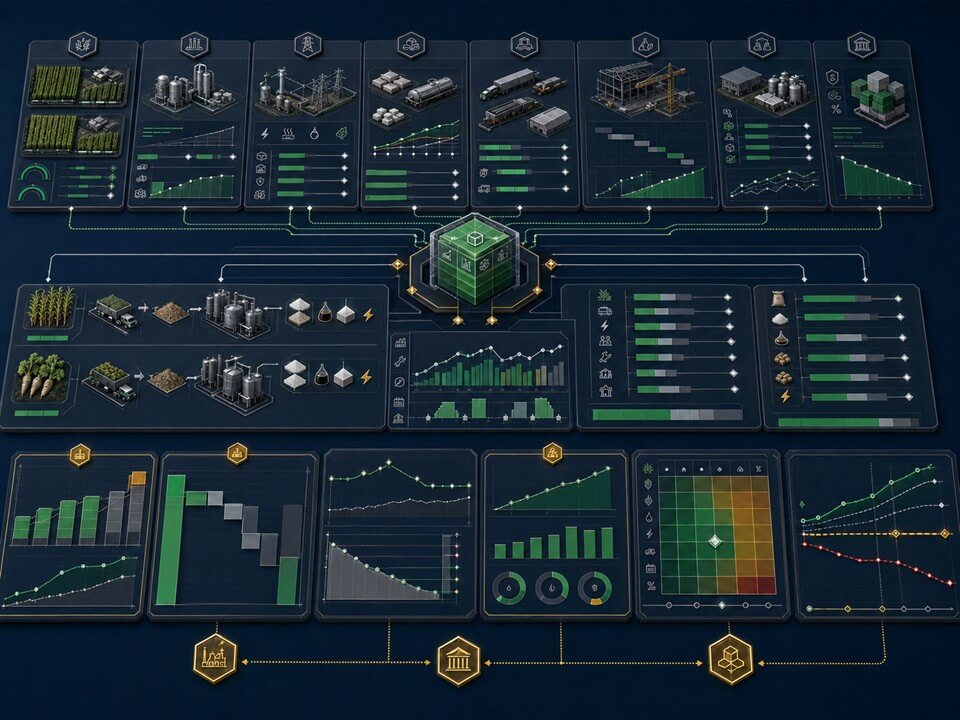
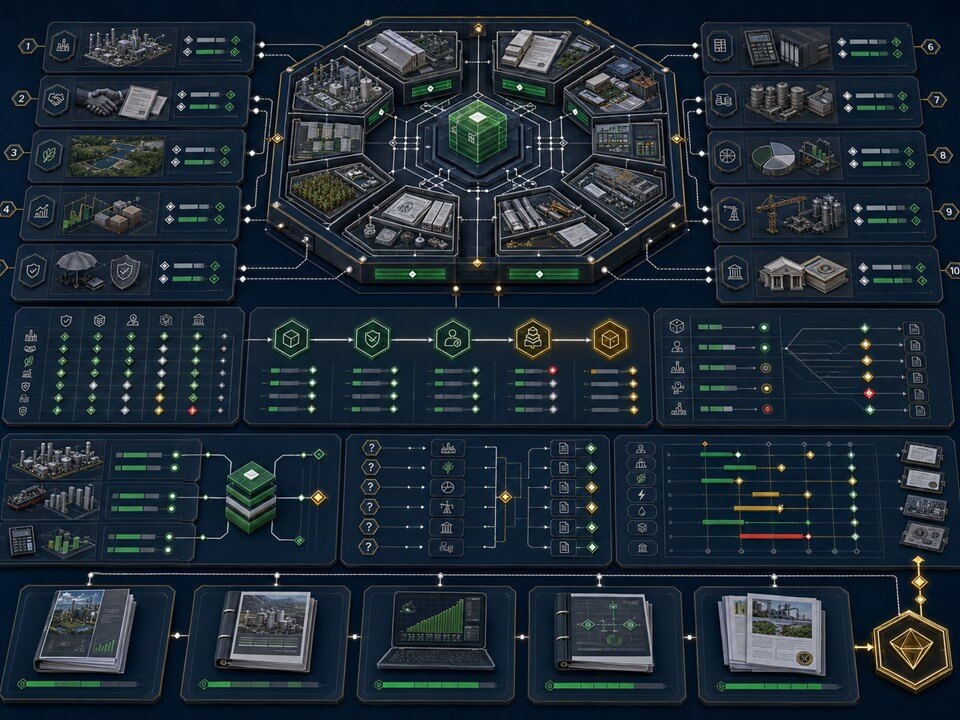
NEOX organizes the project evidence, specialist inputs, and sponsor decisions across eight interdependent workstreams. The objective is to identify material gaps, strengthen the development case, and prepare the project for disciplined investor and lender due diligence.

Land, Agronomy & Feedstock

Validate land and water rights, crop suitability, planting schedules, yields, recoverable sugar, farm inputs, mechanization, climate exposure, competing uses, grower arrangements, supply pricing and indexation, and long-term feedstock availability.

Agricultural Supply Chain

Assess harvesting capacity, aggregation points, delivery scheduling, transport fleet, route condition, weighbridges, quality testing, losses, storage where appropriate, and contingency arrangements needed to move feedstock reliably during the operating campaign.

Technology & Plant Performance

Review process selection, technology maturity, design capacity, recovery efficiency, energy balance, product quality, availability, maintenance, warranties, performance guarantees, operating references, commissioning strategy, and operator readiness.

EPC, Operations & Execution

Test contracting model, contractor capability, equipment supply, interface allocation, cost, schedule, construction logistics, commissioning, ramp-up, operational continuity, staffing, maintenance strategy, and the allocation of completion and performance risk.

Site, Utilities & Infrastructure

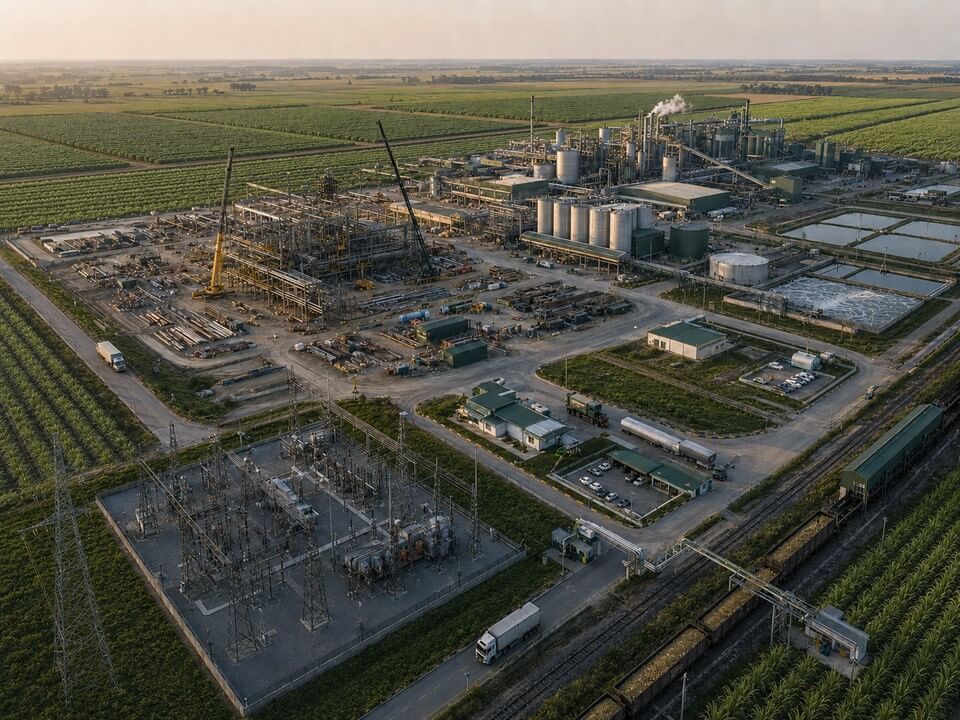
Confirm site conditions, water, electricity, fuel, steam, roads, rail, storage, communications, waste systems, employee facilities where required, utility redundancy, and dependencies on public or shared infrastructure.

Products, Co-Products & Markets

Align product grades, demand, contracted volumes, pricing and indexation, import parity, trade policy, currency exposure, buyer creditworthiness, payment security, distribution terms, and alternative markets for sugar and commercially viable co-products.

ESG, Permitting & Stakeholders

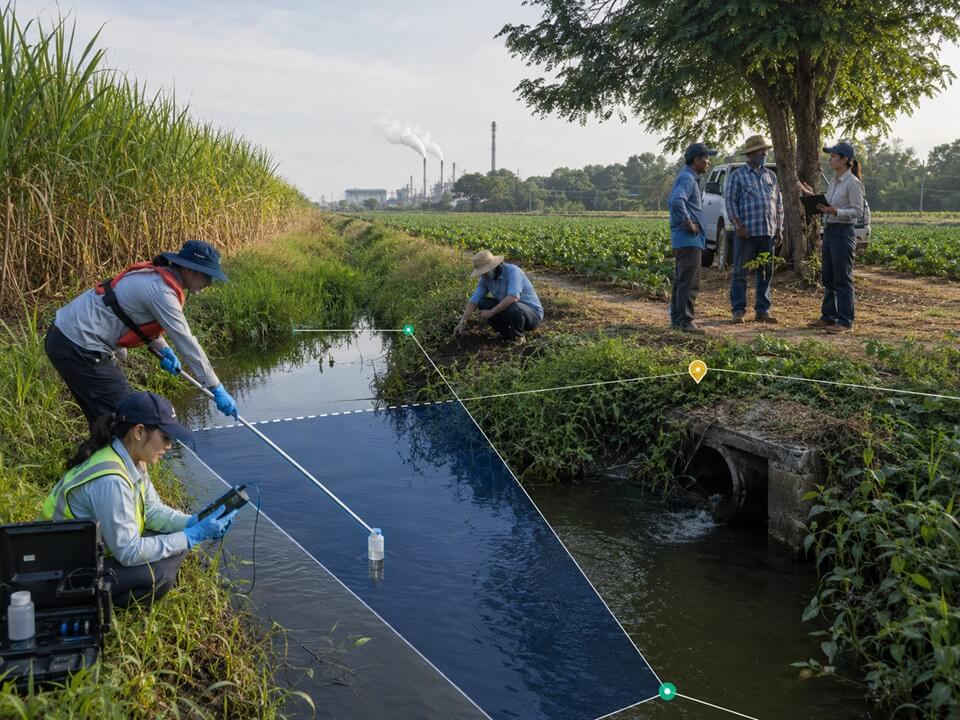
Address land access, water stewardship, labor conditions, community impacts, biodiversity, emissions, effluent, waste, permits, certification pathways, resettlement exposure, grievance mechanisms, and stakeholder engagement in line with applicable requirements.

Financial Model & Financing

Integrate agricultural development cost, plant capital expenditure, operating assumptions, working capital, taxes, inflation, foreign exchange, revenue, contingencies, schedule, funding structure, debt-service capacity, reserve requirements, risk allocation, and financing constraints.

“A Project Does Not Become Financeable When Capital Arrives. When the Project Has Proven Itself.”

Financial Modeling Turning Agricultural and Operating Assumptions into Cash Flow, Debt Capacity, and Returns.

PROJECT ECONOMICS & FINANCING CAPACITY

NEOX converts feedstock, production, utility, pricing, co-product, logistics, capital cost, schedule, working capital, and financing assumptions into an integrated financial model that tests commercial viability, funding requirements, financing capacity, and downside resilience.

Agricultural & Feedstock Model

Forecast planted area, crop cycles, yield, recoverable sugar, seasonality, water and farm inputs, harvesting, transport, delivered-feedstock cost, supply variability, and the relationship between agricultural output and plant utilization.

Production & Project Economics

Model throughput, recovery, ramp-up, availability, energy balance, product and co-product output, operating cost, sales volumes, revenue, working capital, break-even pricing, cash flow, and total project funding requirements.

Funding & Debt Capacity

Assess development cost, capital expenditure, drawdown timing, interest during construction, sustainable borrowing, repayment profiles, debt-service coverage, reserve requirements, covenant headroom, and constraints imposed by project risks and contract terms.

Returns & Downside Resilience

Test project and equity returns against feedstock shortfalls, lower recovery, reduced utilization, price volatility, cost escalation, delayed completion, slower ramp-up, higher interest rates, refinancing exposure, and combined downside scenarios.

THE NEOX DEVELOPMENT METHOD Advancing the Project Through Evidence, Structure, and Disciplined Engagement.

NEOX applies a staged sponsor-side process that connects project definition, specialist evidence, commercial decisions, financial analysis, and capital strategy. Each stage is designed to resolve material issues before the project advances into more costly development or formal capital engagement.
01 — Assess

Review the agricultural resource, project concept, existing studies, sponsor objectives, market context, infrastructure, development status, information quality, material gaps, and principal risks.

02 — Structure

Define the project scope, feedstock strategy, processing configuration, commercial model, contracting approach, implementation plan, risk allocation, study program, and financial-modeling framework.

03. Prepare

Coordinate specialist studies, adviser inputs, project documentation, ESG evidence, commercial terms, financial analysis, risk information, due-diligence materials, and the sponsor’s investment case.

04 . Engage

Support structured engagement with strategic partners, growers, buyers, contractors, operators, investors, lenders, DFIs, ECAs, government stakeholders, and other relevant counterparties.

ADVANCE THE PROJECT ON STRONGER FOUNDATIONS

Build the Evidence Before Seeking the Capital.

Identify the gaps before investors and lenders do.

Whether the opportunity involves a new sugar complex, a standalone refinery, an agro-industrial platform, a brownfield expansion, or a project requiring restructuring, NEOX can help define the development gaps, coordinate the critical workstreams, and prepare a more credible basis for sponsor, investor, and lender decisions.

error: